



Iowa lead explosion aftermath: Here's what happens next
One day after the Army detonated bomb-making chemicals in Iowa, the EPA says there's been "ZERO" detection of lead in the air. Here's what they're doing.
One day after the Army detonated bomb-making chemicals in Iowa, the EPA says there's been "ZERO" detection of lead in the air. Here's what they're doing.


Potential health impacts of Iowa lead detonation
The U.S. Army plans to detonate lead azide Wednesday morning in Iowa. Here are tips to keep yourself and your loved ones safe from lead exposure among the explosion.
The U.S. Army plans to detonate lead azide Wednesday morning in Iowa. Here are tips to keep yourself and your loved ones safe from lead exposure among the explosion.
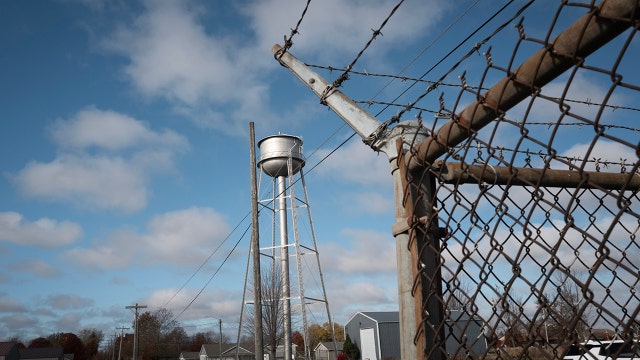

Iowa lead azide explosion could release 'highly toxic' gas, expert warns
An environmental and air quality expert said blowing up the lead azide, along with other materials, could release other toxins.
An environmental and air quality expert said blowing up the lead azide, along with other materials, could release other toxins.

Army delays Iowa ammunition plant detonation
We are now learning this Sunday evening that the United States Army is going to postpone the planned detonation of lead azide at the Iowa Army Ammunition Plant until at least Wednesday this week. In a message posted to social media, the Army said that the disposal operation is now scheduled for later in the week. The delay, according to reports, will allow for favorable weather conditions.
We are now learning this Sunday evening that the United States Army is going to postpone the planned detonation of lead azide at the Iowa Army Ammunition Plant until at least Wednesday this week. In a message posted to social media, the Army said that the disposal operation is now scheduled for later in the week. The delay, according to reports, will allow for favorable weather conditions.


US Army to invoke emergency powers to blow up bomb-making chemicals despite court order
The U.S. Army says it will blow up 68 barrels of a toxic chemical at an ammunition plant, despite resident protests over safety and a court order meant to stop the detonation.
The U.S. Army says it will blow up 68 barrels of a toxic chemical at an ammunition plant, despite resident protests over safety and a court order meant to stop the detonation.

Army says it will detonate lead azide this week
We are hearing reports this Sunday that the United States Army is continuing their plan to detonate 68 barrels of toxic lead azide in Iowa this coming week. They say that they are going to continue with the detonation, despite growing backlash, under emergency legal powers that allow it to bypass a court order blocking the controversial plan. LiveNOW’s Shawna Khalafi is speaking with Patrick O'Shaughnessy from the University of Iowa as the Trump administration pushes for the detonation to continue.
We are hearing reports this Sunday that the United States Army is continuing their plan to detonate 68 barrels of toxic lead azide in Iowa this coming week. They say that they are going to continue with the detonation, despite growing backlash, under emergency legal powers that allow it to bypass a court order blocking the controversial plan. LiveNOW’s Shawna Khalafi is speaking with Patrick O'Shaughnessy from the University of Iowa as the Trump administration pushes for the detonation to continue.


Iowa lead detonation: Judge halts Army's plan to blow up bomb-making chemicals
A federal appeals court has temporarily blocked the U.S. Army from detonating nearly 10,000 pounds of bomb-making chemicals in Iowa.
A federal appeals court has temporarily blocked the U.S. Army from detonating nearly 10,000 pounds of bomb-making chemicals in Iowa.


Why the Army postponed Iowa lead azide detonation
Lead azide is a sensitive chemical compound used to ignite military ammunition. The Army plans to blow up nearly 10,000 pounds of it.
Lead azide is a sensitive chemical compound used to ignite military ammunition. The Army plans to blow up nearly 10,000 pounds of it.


SS United States fully sinks; becomes the world's largest artificial reef
The SS United States, a piece of maritime history best known for shattering the transatlantic speed record on its maiden voyage in 1952, was sunk off the coast of Florida on Wednesday and become the world's largest artificial reef.
The SS United States, a piece of maritime history best known for shattering the transatlantic speed record on its maiden voyage in 1952, was sunk off the coast of Florida on Wednesday and become the world's largest artificial reef.
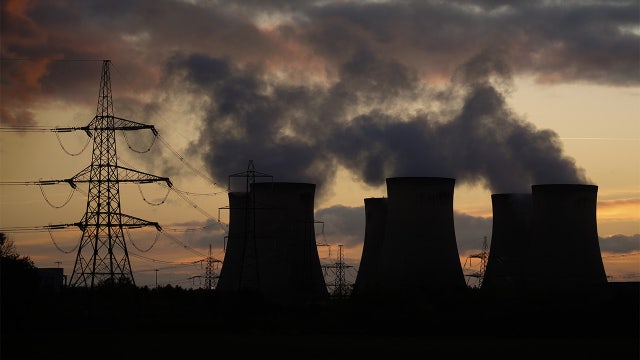

Iran war led to rare carbon dioxide emissions drop this year, scientists say
Carbon dioxide emissions around the world declined for only the third time this century, but researchers are not crediting environmental efforts. Instead, they attribute the drop to the Iran war.
Carbon dioxide emissions around the world declined for only the third time this century, but researchers are not crediting environmental efforts. Instead, they attribute the drop to the Iran war.


What to do with your pumpkins after Halloween
If you are looking to rid of your pumpkins after Halloween, don't throw them out. There are better ways to dispose of your pumpkins, including composting them and feeding them to livestock.
If you are looking to rid of your pumpkins after Halloween, don't throw them out. There are better ways to dispose of your pumpkins, including composting them and feeding them to livestock.
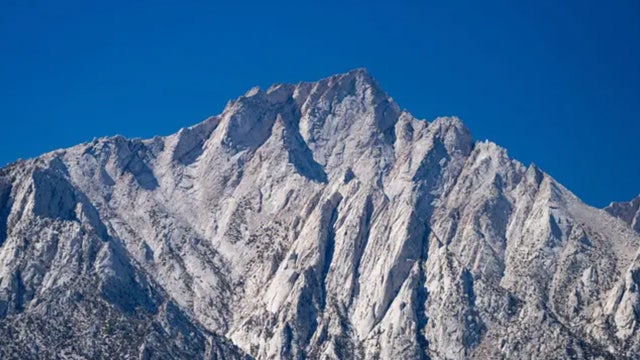

Body of missing hiker recovered from tallest mountain in Lower 48 after storms stall efforts
The body of a missing hiker was recovered on Mount Whitney, the tallest mountain in the Lower 48, by a helicopter rescue team, the Inyo County Sheriff's Office said Monday.
The body of a missing hiker was recovered on Mount Whitney, the tallest mountain in the Lower 48, by a helicopter rescue team, the Inyo County Sheriff's Office said Monday.
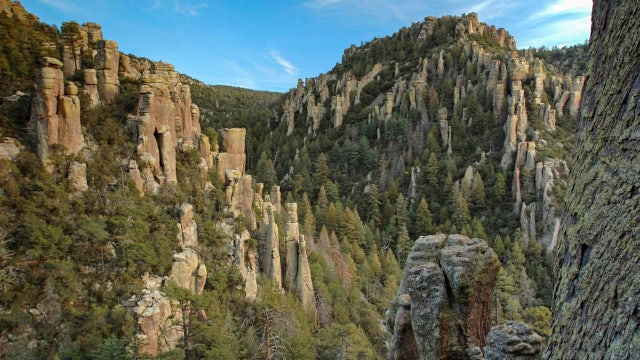

Chiricahua National Monument becomes America’s newest national park
Chiricahua National Monument in southeastern Arizona was officially redesignated as Chiricahua National Park.
Chiricahua National Monument in southeastern Arizona was officially redesignated as Chiricahua National Park.
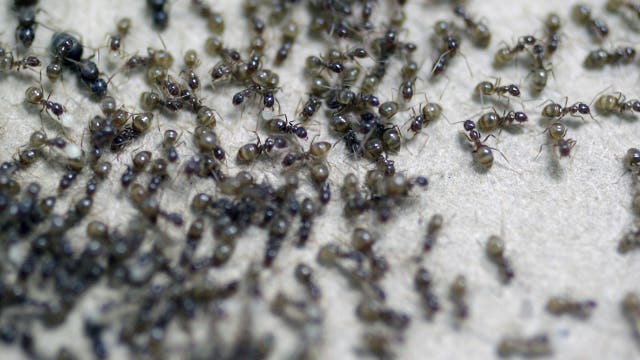

Invasive hairy ants are on the move: What to watch for
Invasive, hairy ants are spreading across the Southeast U.S., creating “super colonies” with millions of critters and costing millions of dollars in damages along the way.
Invasive, hairy ants are spreading across the Southeast U.S., creating “super colonies” with millions of critters and costing millions of dollars in damages along the way.
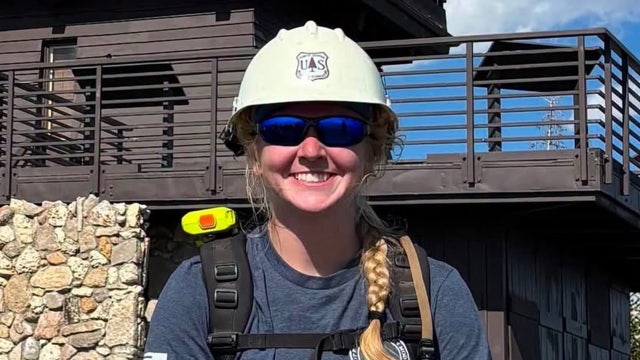

Firefighter, 24, died after being struck by a tree battling La. wildfire
The U.S. Forest Service is paying tribute to a firefighter who died in the line of duty this week while battling a wildfire that was burning in Louisiana’s Kisatchie National Forest.
The U.S. Forest Service is paying tribute to a firefighter who died in the line of duty this week while battling a wildfire that was burning in Louisiana’s Kisatchie National Forest.


Florida city offers homeowners up to $3,000 to ditch thirsty grass — a move that slashes their water bills
A Florida city wants homeowners to rip out their grass lawns, and it is willing to pay big bucks for them to do so.
A Florida city wants homeowners to rip out their grass lawns, and it is willing to pay big bucks for them to do so.


These states rank as the most energy-efficient in 2026, data shows
WalletHub’s study found that states with efficient homes, vehicles, and transportation systems produce the lowest energy waste and costs.
WalletHub’s study found that states with efficient homes, vehicles, and transportation systems produce the lowest energy waste and costs.


What this year’s El Niño weather pattern means for fall leaves
If you love vibrant fall leaves, this year’s El Niño weather pattern may be a gift for you.
If you love vibrant fall leaves, this year’s El Niño weather pattern may be a gift for you.
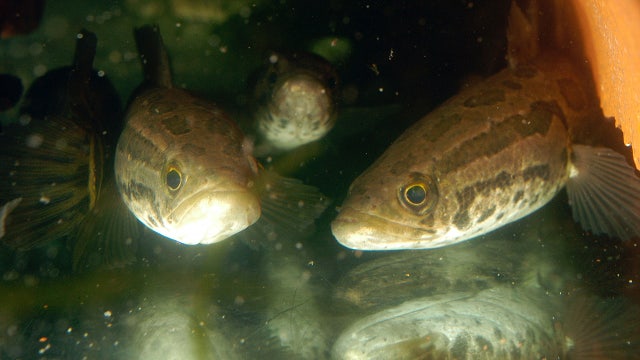

Decapitate, gut, or throw away: Missouri’s new warning for an invasive species
Cut off their heads, remove their internal organs, or put them in a plastic bag and throw them out. Those are the three suggestions Missouri wildlife officials have for anglers who catch northern snakehead fish from one of the state’s rivers or streams, and there’s a reason why they are being so specific.
Cut off their heads, remove their internal organs, or put them in a plastic bag and throw them out. Those are the three suggestions Missouri wildlife officials have for anglers who catch northern snakehead fish from one of the state’s rivers or streams, and there’s a reason why they are being so specific.


Valuable trees poisoned by diesel fuel prompt officials to offer hefty reward for any information
Officials discovered over two dozen trees, worth hundreds of thousands of dollars, have been poisoned since 2022.
Officials discovered over two dozen trees, worth hundreds of thousands of dollars, have been poisoned since 2022.