

New SNAP work requirements kick in for more states Feb. 1: What to know

New SNAP rules in effect, how to plan for changes
It has been reported that around 42 million low-income Americans rely on the Supplemental Nutritional Assistance Program, known as SNAP or food stamps, to buy groceries.
New work requirements are starting in more states Sunday for Americans who receive Supplemental Nutrition Assistance Program (SNAP) benefits.
Here’s what to know about the changes.
New SNAP work requirements
Big picture view:
The massive tax cuts and spending bill signed into law in July by President Donald Trump added more requirements for many adult SNAP recipients to work, volunteer or participate in job training for at least 80 hours a month. If they don’t, they’re limited to three months of benefits in a three-year period.
RELATED: SNAP: See the overpayment and underpayment rates for benefits in every state
Previously, work requirements were applied to adults ages 18-54 who are physically and mentally able to work and don’t have dependents under age 18. The new law expands those requirements to those ages 55-64 and to parents without children younger than 14.
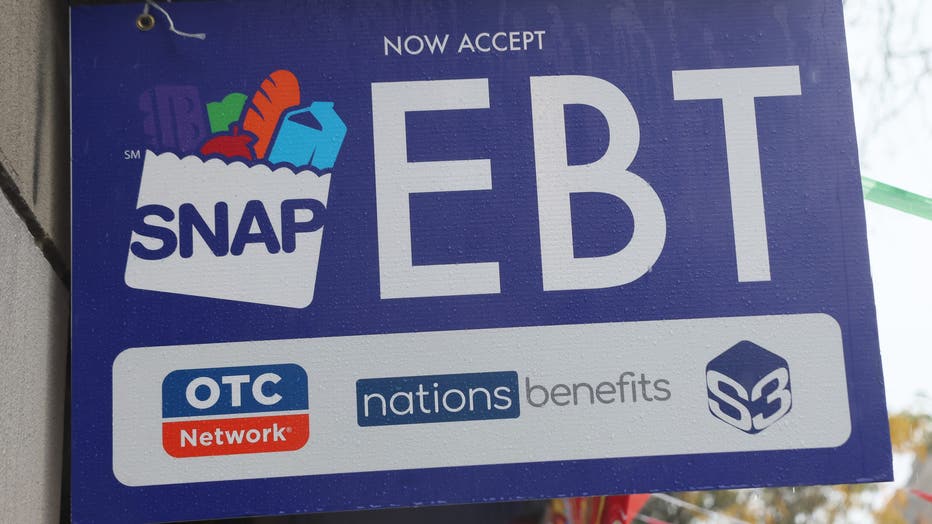
An EBT sign is displayed on the window of a grocery store on October 30, 2025 in the Flatbush neighborhood of the Brooklyn borough in New York City. (Photo by Michael M. Santiago/Getty Images)
It also takes away work exemptions for homeless people, veterans and young adults aging out of foster care. And it limits the ability of states to waive work requirements in areas lacking jobs.
Timeline:
When the requirements kick in depends on the state and when it implemented the new requirements. In some states, people could lose benefits as soon as Sunday if they can’t show they’re working. In other states, people have more time.
What you can do:
If you’re a SNAP recipient included in the new work requirements, you’ll have to submit additional paperwork, according to AARP. If you haven’t already received a letter, phone call or text message from your local SNAP office, you can find contact information here.
State-by-state
Local perspective:
Texas started its requirement in October, so people there may have already stopped receiving benefits when their three months were exhausted on Jan. 1.
RELATED: More states are restricting junk-food purchases by SNAP recipients — here’s where
Several states – including Alaska, Colorado, Georgia and Hawaii – started the three-month clock in November, which means people could lose benefits in coming days.
In other states like Ohio and Illinois, the requirements take effect Sunday. That means people could lose benefits in May. Ohio says people will have to show documentation of work starting in March.
Some states have exemptions because of relatively high unemployment rates, either statewide or in certain regions, that let them delay implementation. California’s waiver is scheduled to be in place until January 2027.
But most of those have ended or will soon.
How many people get SNAP benefits?
By the numbers:
About 42 million people — or 1 in 8 Americans — receive SNAP benefits. The majority are in households that have incomes below the poverty line of $33,000 for a family of four..
About 3 in 5 people who benefit from SNAP are in families with children and more than 1 in 3 are in households with older adults or people with disabilities, according to the Center on Budget and Policy Priorities. Nearly 2 in 5 people are in households that include someone with a job.
The average benefit per person is about $190 per month.
The new requirements are expected to reduce the average monthly number of SNAP recipients by about 2.4 million people over the next 10 years, according to the Congressional Budget Office.
The Source: This article includes information from The Associated Press and previous FOX Local reporting.