

JetBlue hikes baggage fees as Iran conflict drives up jet fuel costs
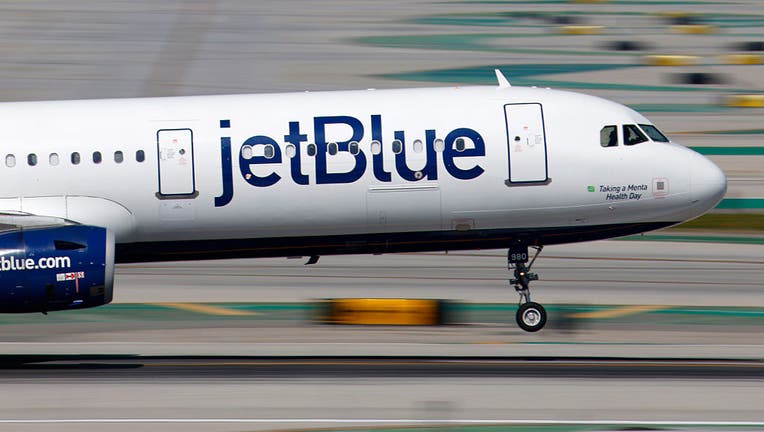
A JetBlue Airbus A321 lands at Los Angeles International Airport on March 7, 2026 in Los Angeles, California. (Photo by Kevin Carter/Getty Images)
JetBlue is increasing baggage fees by $4 to $9 for economy travelers, attributing the hike to rising jet fuel costs driven by global oil supply disruptions linked to the Iran conflict.
What they're saying:
"As we experience rising operating costs, we regularly evaluate how to manage those costs while keeping base fares competitive and continuing to invest in the experience our customers value," JetBlue wrote in a statement to FOX Business. "Adjusting fees for optional services used by select customers, such as checked baggage, allows us to continue offering more competitive fares while delivering the onboard experience our customers love, including complimentary snacks and drinks, unlimited, high-speed Wi-Fi and seatback entertainment screens."
RELATED: United warns of rising airfares amid fuel surge: What you can do
"While we recognize that fee increases are never ideal, we take careful consideration to ensure these changes are implemented only when necessary," the statement continued.
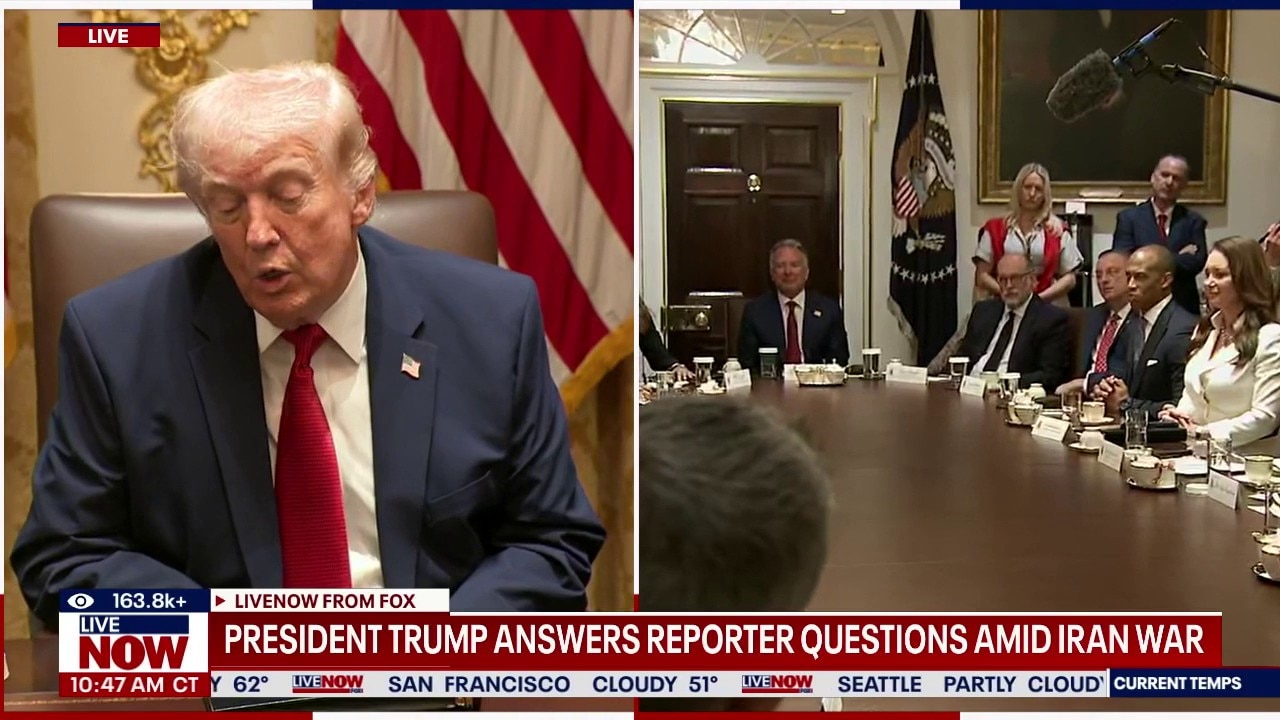
Trump reveals "present" from Iran was safe oil tanker passage through Strait of Hormuz
During a cabinet meeting Thursday, President Trump revealed that the "present" from Iran he alluded to days earlier was safe passage of several fuel tankers through the Straight of Hormuz.
By the numbers:
For flights within the U.S., Caribbean, and Latin America, the first checked bag will now cost $39 during off-peak travel (up from $35) and $49 during peak periods (up from $40). Travelers who pay less than 24 hours before departure will still incur an additional $10 fee.
Passengers with qualifying JetBlue co-branded credit cards or elite frequent flyer status will continue to be exempt from baggage fees.
Big picture view:
When one airline raises fees, competitors often tend to follow suit, though there have been no such signals so far from American Airlines, United Airlines, Delta Air Lines, Southwest Airlines, or Frontier Airlines.
A Southwest spokesperson told the New York Post the airline does not "have any immediate plans to increase fees due to macroeconomic factors."
The increase underscores mounting pressure on airlines as global fuel prices climb in the wake of U.S. and Israeli strikes on Iran that began Feb. 28. Jet fuel in major U.S. markets averaged $4.62 per gallon Tuesday morning—more than 83% higher than before the conflict started—according to Argus data released by Airlines for America.
RELATED: Survivor recounts LaGuardia crash: 'I had this moment of wondering, is this it?' | WATCH
"The reality is, jet fuel prices have more than doubled in the last three weeks," United CEO Scott Kirby wrote in a memo to employees earlier in March. "If prices stayed at this level, it would mean an extra $11B in annual expense just for jet fuel. For perspective, in United’s best year ever, we made less than $5B. That may sound scary, but the first piece of good news is that, for now at least, demand remains the strongest we've ever seen. The 10 biggest booked revenue weeks in our history have been the last 10 weeks."
Kirby added, however, that "it may be a challenge to continue passing through much of the increased fuel price if oil stays higher for longer."
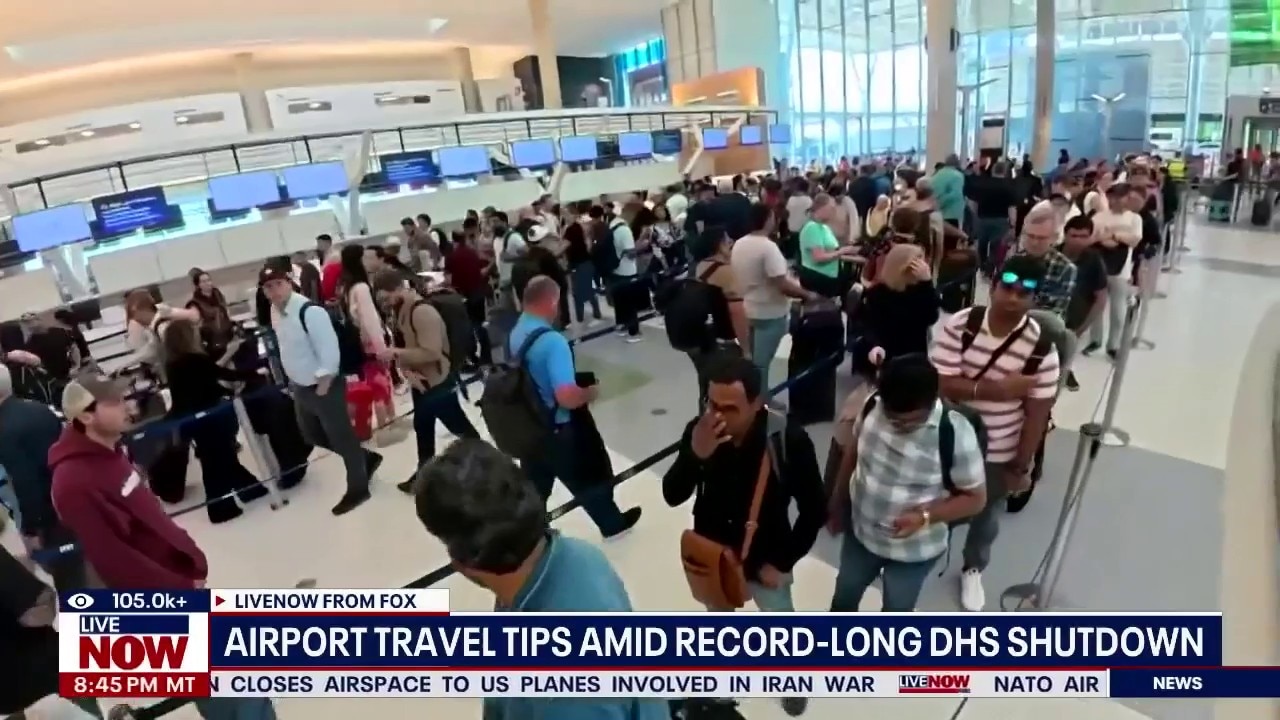
TSA staffing issues, airport delays persist amid DHS shutdown
Josh Funk with the Associated Press and Clint Henderson with The Points Guy join LiveNOW's J Russell to discuss how travelers and airports are dealing with the effects of the ongoing DHS shutdown.
Dig deeper:
Jet fuel prices have climbed to their highest level of the year, continuing a steady upward trend since the conflict began. However, Treasury Secretary Scott Bessent told Fox News the increases are temporary and stem from strain on global fuel supplies.
The spike is linked to Iran’s retaliation affecting the Strait of Hormuz, where disruptions and the threat of closure have driven oil prices higher worldwide amid fears of supply shortages.
Bessent said that increasing global oil supply—including from Iran—would ultimately help lower prices in the U.S. He noted that while the U.S. does not depend heavily on Middle Eastern oil, tensions around the Strait of Hormuz have unsettled crude futures markets.
He added that the U.S. has avoided targeting Iranian energy infrastructure despite escalating military operations, aiming to maintain supply while continuing to pressure Tehran.
"We have lots of levers," Bessent said. "We’ve got plenty more that we can do."
The Source: FOX Business contributed to this report. The information in this story comes from a combination of company statements, government officials, industry data, and media reports. This story was reported from Los Angeles.