

How a groundhog, a lion, and a lamb shape spring weather folklore
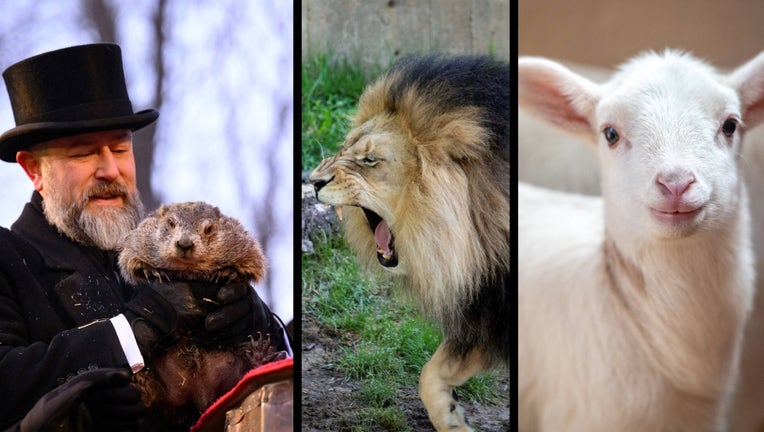
Will spring come "In like a lion out like a lamb" and will we have six more weeks of winter like Punxsutawney Phil predicted on Groundhog Day?
As we approach March and the first day of spring on March 20, will it come "In like a lion out like a lamb", and will we have six more weeks of winter like Punxsutawney Phil predicted on Groundhog Day?
The winter of 2026 will be remembered for its bitterly cold temperatures and significant snowfall, with even Florida getting snow flurries in the panhandle. As we get set to turn our calendars to March, when will we say goodbye to winter?
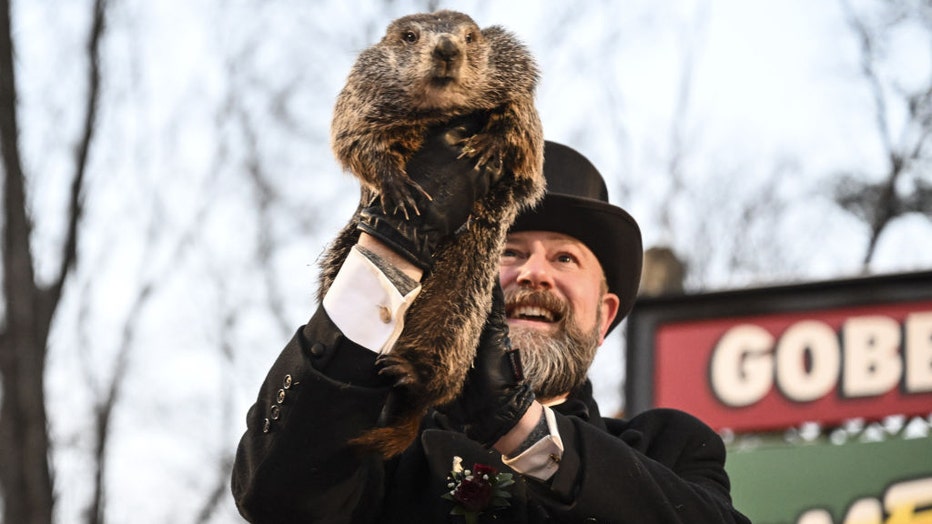
FILE-Punxsutawney Phil saw his shadow on Wednesday morning. Six more weeks of winter during Groundhog Day celebration at the Gobbler's Knob in Punxsutawney, Pennsylvania, United States on February 2, 2023. (Photo by Fatih Aktas/Anadolu Agency via Get
Punxsutawney Phil saw his shadow
On Groundhog Day, Monday, Feb. 2, Punxsutawney Phil emerged from his tree stump and saw his shadow, meaning six more weeks of winter lies ahead.
So if Phil is accurate, March will bring more snow and cold temperatures.
The annual ritual goes back more than a century, with ties to ancient farming traditions in Europe. Punxsutawney’s festivities have grown considerably since the 1993 movie "Groundhog Day," starring Bill Murray.
How accurate is Punxsutawney Phil?
Punxsutawney Phil has been making weather predictions since 1887, a tradition with ties to ancient farming traditions in Europe.
According to StormFax, Phil has seen his shadow 109 times and has forecasted an early spring on just 21 occasions.
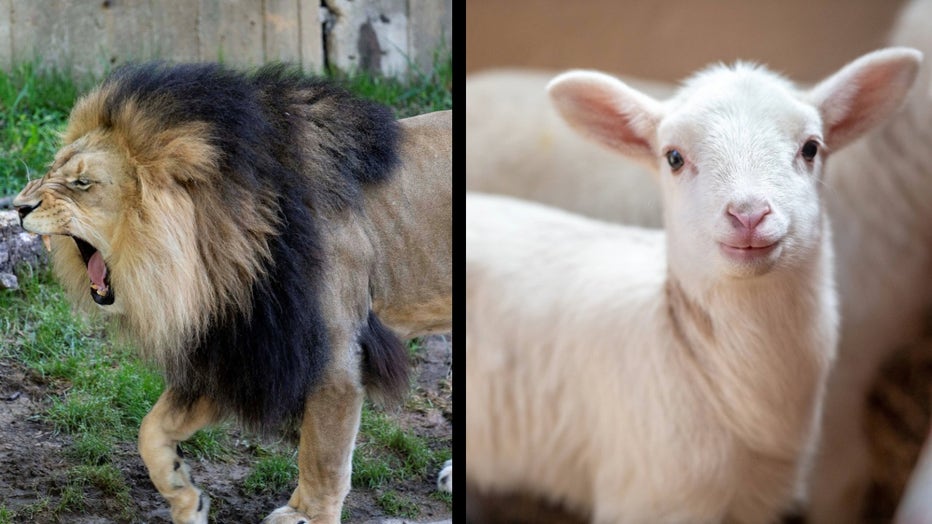
What is the origin of the saying ‘In like a lion, out like a lamb’ come from?
If Phil’s prediction is correct, March will come in like a lion - cold and stormy and out like a lamb - mild and gentle.
According to the Farmers' Almanac, the weather folklore came from people far back in history who believed that evil spirits could affect the weather, so they were cautious about what they said so as not to upset the spirits.
They also believed there needed to be a balance between life and the weather, so if the month started out rough (like a lion), they should expect to see much calmer weather at the end of the month (out like a lamb).
RELATED: Spring 2026: What does The Old Farmer’s Almanac forecast for your area?
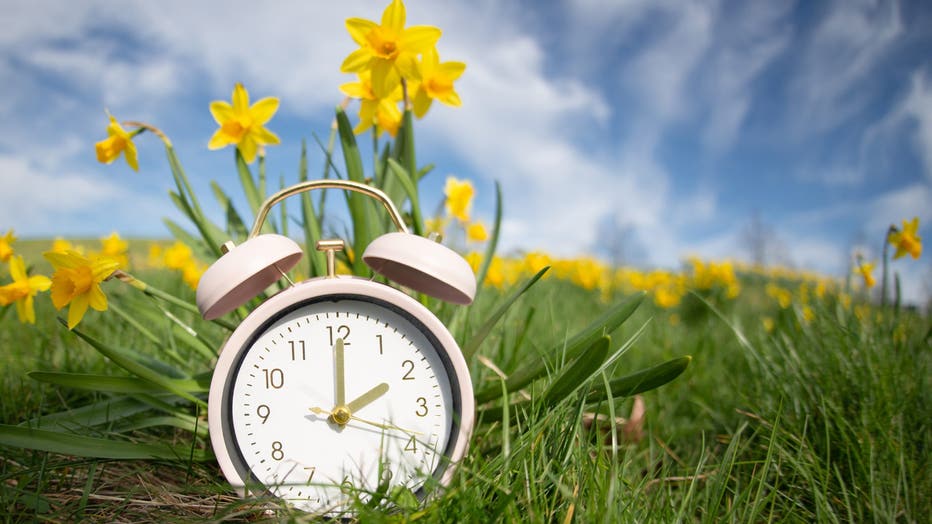
When clocks change or "spring forward," sunsets shift later. (Credit: Getty Images)
Longer daylight begins March 8 with the return of daylight saving time
Daylight saving time officially begins on Sunday, March 8 at 2 a.m. for most of the U.S., meaning the majority of Americans will "spring forward" by setting their clocks ahead one hour.
Daylight saving time?
Daylight saving time (DST) is observed from the second Sunday in March to the first Sunday in November, according to the U.S. Department of Transportation (USDOT). The USDOT has overseen the time change since 1966, when Congress transferred the responsibility from the Interstate Commerce Commission.
RELATED: When is daylight saving time in 2026?
Which states observe daylight saving time?
Everywhere in the U.S., except Hawaii and most of Arizona, observes the time change. To make matters more confusing, Navajo Nation in Arizona does observe DST. Some U.S. territories, including Puerto Rico and the Virgin Islands, also do not change their clocks twice a year.
The Source: Information in this article was sourced from The Farmers Almanac, FOX Weather, and previous FOX Local reporting. This story was reported from Orlando.