

Federal judge halts Trump executive order to defund NPR, PBS
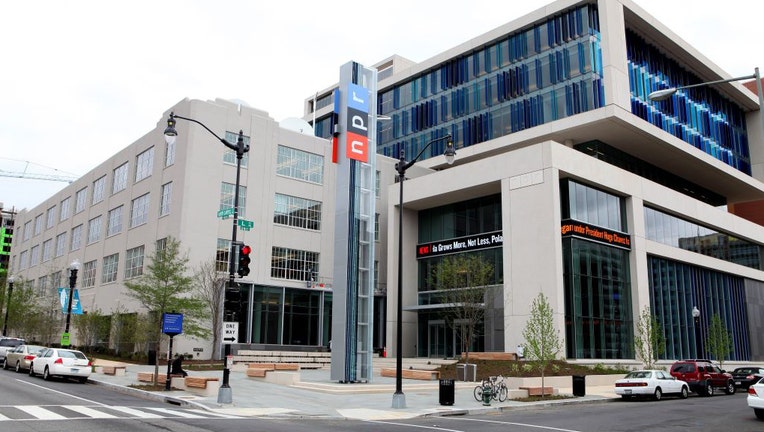
FILE-NPR (National Public Radio) headquarters in Washington, D.C. (Photo By Raymond Boyd/Getty Images)
Supporters of public radio and television marked a major win Tuesday, when a federal judge ruled that the Trump administration is not allowed to completely defund National Public Radio (NPR) and the Public Broadcasting Service (PBS).
Big picture view:
President Donald Trump signed the executive order in May 2025 that cut federal funding for public broadcasters. In response, NPR and PBS sued the administration, arguing the directive violated the First Amendment. U.S. District Judge Randall Moss, who was nominated to the bench by President Barack Obama, sided with the organizations’ free speech arguments and stopped the administration from implementing the order.
What's next:
Despite the judge’s decision, the overall effects of the ruling are yet to be seen. The Trump administration can still appeal the decision. Additionally, there has already been significant fallout from the order, including the board of the Corporation for Public Broadcasting, which finances programs for NPR and PBS voted to dissolve earlier this year.
The verdict
In its lawsuit, NPR and PBS argued the order violated two fundamental principles of the First Amendment: that the government cannot use its authority or purse strings to suppress viewpoints and that government officials cannot take retaliatory action against those who engage in protected speech.
In his verdict permanently blocking the order, Moss determined the Trump administration’s order was directly in response to the organizations’ coverage. He excerpted multiple quotes from the White House’s news release that accompanied the order and called it clear evidence the Trump administration’s move was designed to squelch speech Trump does not like.
What they're saying:
"There can be no doubt that the Executive Order does not target Plaintiffs merely because they have a viewpoint or consistent perspective and therefore fail to live up to some yet-to-be-attained platonic ideal of "unbiased" journalism, but because he views their speech as unfavorable to him and the Republican party," Moss wrote in his decision.
"The Federal Defendants fail to cite a single case in which a court has ever upheld a statute or executive action that bars a particular person or entity from participating in any federally funded activity based on that person or entity’s past speech," he continued.
Dig deeper:
The decision does not resolve all the government funding concerns faced by public broadcasters. The Associated Press notes that the case targeted the Trump administration and did not include Congress, which has taken its own actions against NPR and PBS.
Beyond Trump’s executive order, Congress has voted to eliminate appropriations for the organizations, which spurred the Corporation for Public Broadcasting to shut down.
The Source: Information for this article included information from the Associated Press. This story was reported out of Orlando.