

Delta says airline fares likely to remain elevated even if fuel prices fall
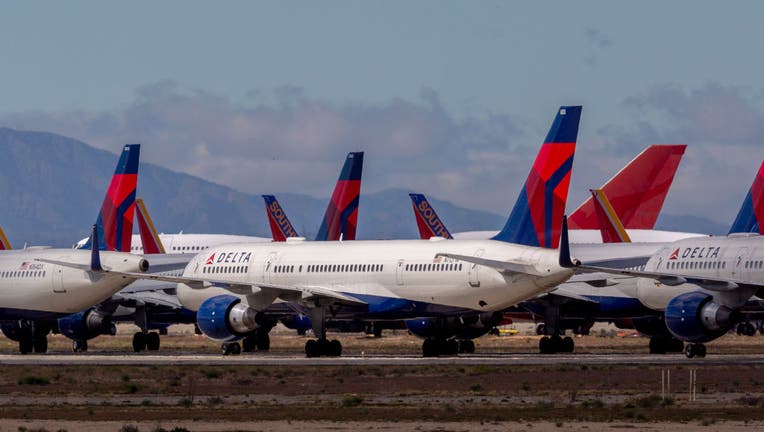
Delta Air Lines jets (Photo by David McNew/Getty Images)
Delta Air Lines says travelers are likely to keep paying higher airfares even if fuel prices fall, as airlines continue to face elevated operating costs across the industry.
Speaking during the company's quarterly earnings call, Delta CEO Ed Bastian said rising fuel prices, along with higher labor, airport, technology and aircraft costs, have fundamentally changed the economics of the airline business and made it harder for low-cost carriers to compete by offering cheaper fares.
RELATED: US updates travel advisory for popular Caribbean vacation spot
What they're saying:
"Most U.S. carriers were already struggling to earn their cost of capital against a backdrop where industry airfares have meaningfully trailed inflation, costs have reset higher, and consumer preferences have evolved," Bastian said.
He added that the industry's ability to pass higher fuel costs on to consumers has improved.
"As we predicted, structural change has accelerated, enabling the industry to recapture this year's fuel cost inflation at the fastest pace of any recent cycle," Bastian said.
RELATED: Passenger partially sucked out of plane after ‘window dislodged in-flight’
What's next:
According to Bastian, Delta expects those industry trends to continue even if oil prices retreat to levels seen before the Iran conflict, allowing jet fuel prices to ease.
"Even after recent fare increases, airfares remain 10 to 15 points below overall inflation since COVID," Bastian said, noting that many airlines are still generating returns below their cost of capital.
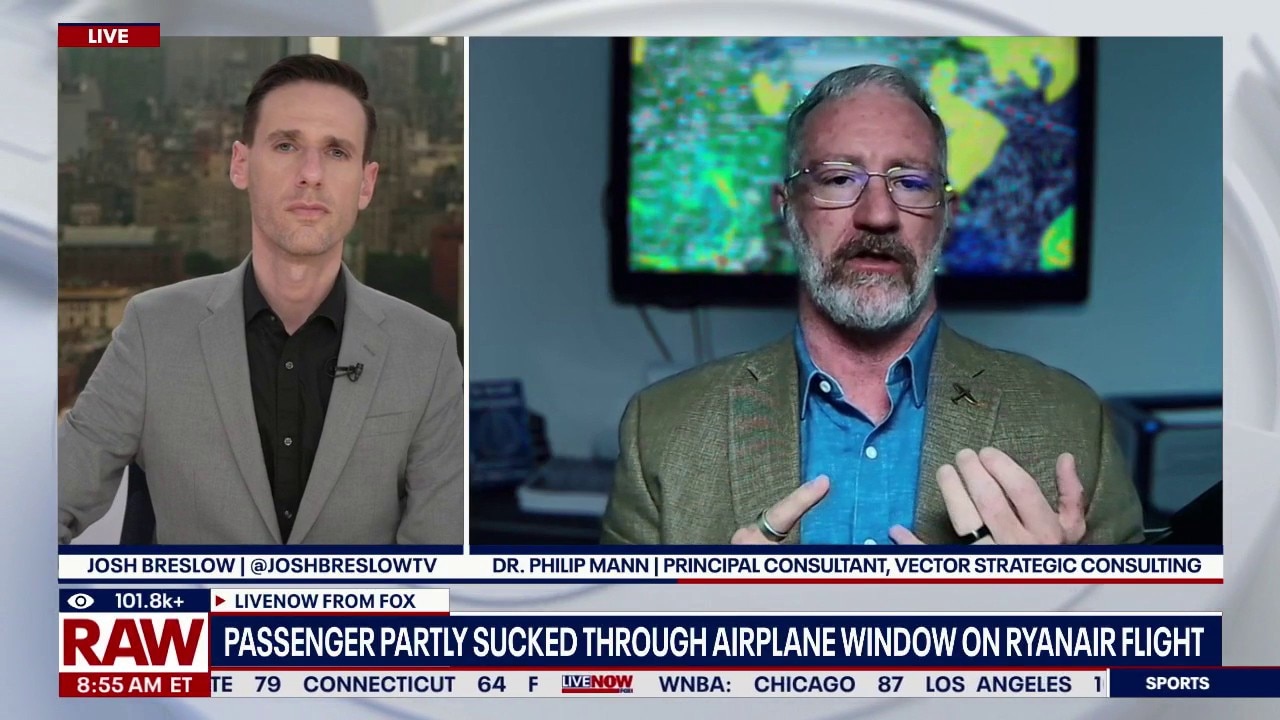
Passenger nearly sucked out of window on flight
A passenger on board a Ryanair flight from Greece to Germany was partially sucked out of a broken airplane window shortly after takeoff.
"We believe that current revenue momentum should remain sustainable even if fuel prices moderate," he added.
Dig deeper:
Bastian said airlines are contending with rising costs beyond fuel, including labor, airport infrastructure, technology investments and aircraft expenses. Those pressures, he said, have forced carriers to rethink their business models to make them more financially resilient.
"What that tells you is that you need to figure out a change to the business model that will enable you to build resilience in your price and durability, and that's what we've done over time," he said.
Bastian pointed to Delta's higher fares and diversified revenue sources, including its partnership with American Express, as examples of that strategy.
He also argued that budget airlines will likely need to raise fares even further to remain profitable.
"Even with the improvements we've seen in pricing for the industry, the low end of the market still has to increase fares by another 5%, by our estimate, just to get to breakeven at today's fuel environment," Bastian said.
"There's nothing to be gained by trying to grow in that environment. What the opportunity has to be in finding ways to secure higher revenues, not higher market share," he added.
Big picture view:
The latest Consumer Price Index data from the Bureau of Labor Statistics showed airline fares rose 2.7% in May from the previous month and were 26.7% higher than a year earlier. Updated CPI data for June is scheduled to be released next week.
The Source: FOX Business contributed to this report. This story is based on comments made by Delta Air Lines CEO Ed Bastian during the company's quarterly earnings call, where he discussed the airline's outlook for fares, fuel costs and industry trends. It also includes data from the U.S. Bureau of Labor Statistics' Consumer Price Index (CPI), which tracks changes in airline fares and broader inflation. This story was reported from Los Angeles.