

9/11 responders with PTSD face higher risk of accelerated aging, research suggests
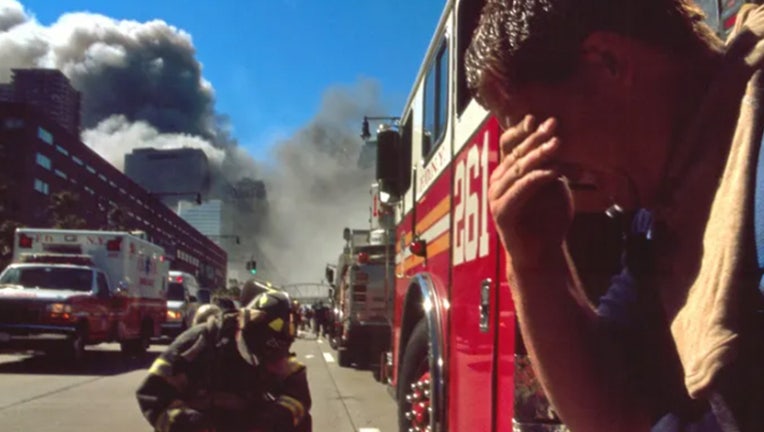
FILE - A New York firefighter is pictured amid the rubble of the World Trade Center following the 9/11 attacks in 2001. (Universal History Archive/Universal Images Group via Getty Images)
Researchers have found evidence showing first responders who were dispatched during the Sept. 11, 2001, attacks in New York City, and suffer from PTSD, are aging faster.
Dig deeper:
Researchers at Stony Brook University tested blood samples from 393 responders that were collected 18 years after the terror attack, according to a university press release.
Out of the sampled responders, 232 were diagnosed with PTSD and 161 were not. Between the two groups, 114 proteins and seven metabolites were significantly different.
In particular, the researchers detected changes in blood markers linked to brain function, immune activity, energy metabolism, protection against cell damage and how cells communicate and repair tissues.
Also reported were signs of accelerated biological aging in multiple organs — including the heart, kidneys, liver and lungs — among responders with PTSD.
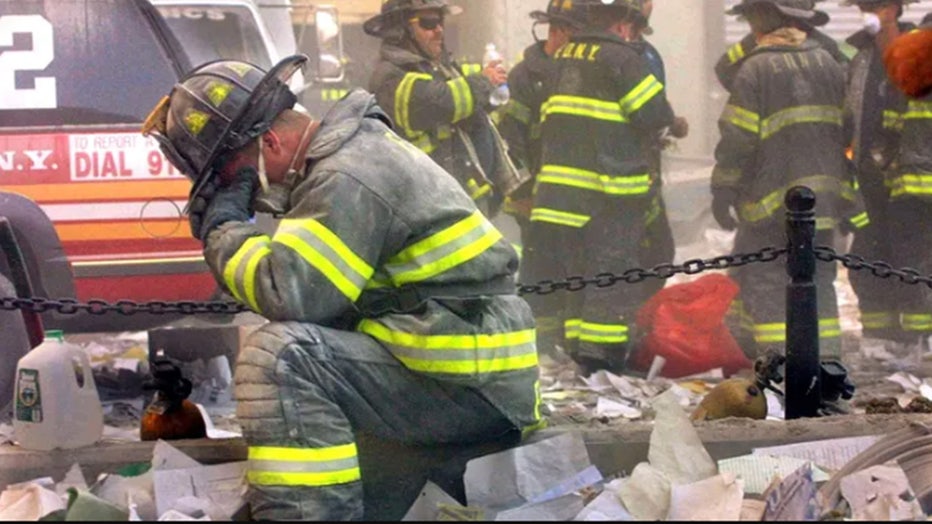
FILE - Firefighter Gerard McGibbon, of Engine 283 in Brownsville, Brooklyn, prays after the World Trade Center buildings collapsed on September 11, 2001. (Mario Tama/Getty Images)
What they're saying:
"What we have observed through detailed metabolic analyses is that trauma affects not only psychological health, but also multiple biological systems over many years," lead study author Benjamin Luft, director and principal investigator at the Stony Brook WTC Wellness Program, said.
Study limitations
The other side:
There were some limitations to the findings, the researchers noted.
"Because all measurements were taken at one point in time, the research can only show an association — not that PTSD directly caused the changes," Luft noted.
"We are currently doing studies in these patients examining multiple time points to see whether the changes in specific proteins and metabolites precede clinical changes."
Also, because the study was done on a unique population – World Trade Center responders who experienced very specific trauma and environmental exposures – the findings may not apply to everyone with PTSD, "such as combat veterans, survivors of abuse or people who experienced other types of trauma."
What's next:
Additional studies are needed to determine whether these blood markers can predict disease progression or treatment response.
The Source: Information for this article was taken from FOX News and a Stony Brook University news release published on June 25, 2026.