

EPA chief tells climate skeptics to celebrate rule repeal as March heat breaks records
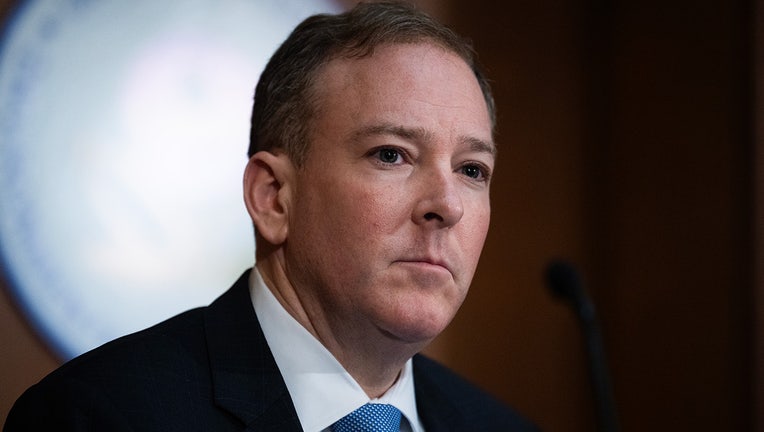
EPA Administrator Lee Zeldin participates in a discussion with HHS Secretary Robert F. Kennedy, Jr., to announce microplastics and pharmaceuticals will be listed as contaminants in drinking water, at the Environmental Protection Agency in Washington
The Environmental Protection Agency’s top official told a crowd of climate science skeptics that they should celebrate the repeal of the 2009 finding that underpinned the agency’s attempts to combat climate change ever since. His comments came the same day a separate federal agency reported record-shattering warmth and precipitation numbers.
The backstory:
EPA Administrator Lee Zeldin was lauding his agency’s reversal of the Obama-era "endangerment finding," which determined carbon dioxide and other greenhouse gases threatened public health and welfare. The EPA reversed that decision earlier this year, arguing the ruling twisted science and hurt the economy.
Additionally, AP reporting revealed the EPA under the Trump administration has said it does not have the authority to regulate climate change and rolled back dozens of air and water protections.
What they're saying:
"Today is a moment to celebrate. It is a day to celebrate vindication," Zeldin said in his keynote speech to the Heartland Institute, the Associated Press reported. "You were right there on the front lines against there being an endangerment finding in 2009."
The Heartland Institute is a conservative think-tank that rejects mainstream climate science and what it calls "climate alarmism," the AP explained.
Hot and dry March
On the same day that Zeldin, who is believed to be on the list to replace Pam Bondi as the next Attorney General, spoke to the conference, the National Oceanic and Atmospheric Administration (NOAA) released its assessment for March.
By the numbers:
Last month was the warmest March yet recorded, the NOAA found. On top of that, it was 9.4 degrees Fahrenheit higher than the 20th century average, which was the first time any month has ever exceeded that baseline by more than nine degrees. With that record-breaking March, the past 12-month period is now the warmest such span since records started being kept 132 years ago.
Over 1,400 counties, which included a third of the American population, recorded their warmest March day since 1950 when scientists started tracking that number.
Dig deeper:
The first quarter of this year also proved to be the driest January to March period on record for the continental United States, breaking a mark that stood since 1910, according to the NOAA report. Those dry conditions now mean approximately 60 percent of the continental United States is experiencing drought conditions, the highest percentage since November 2022.
But, while the lower 48 states were sweltering through record heat, it was a different story in the nation’s coldest state. Alaska just wrapped up its fourth-coldest March in the 102 years that figure has been tracked. It had not been that cold since 2007, the NOAA indicated.
The Source: Information for this article was taken from the Associated Press and the National Oceanic and Atmospheric Administration. This story was reported from Orlando.