

Court blocks Trump administration’s student loan forgiveness overhaul
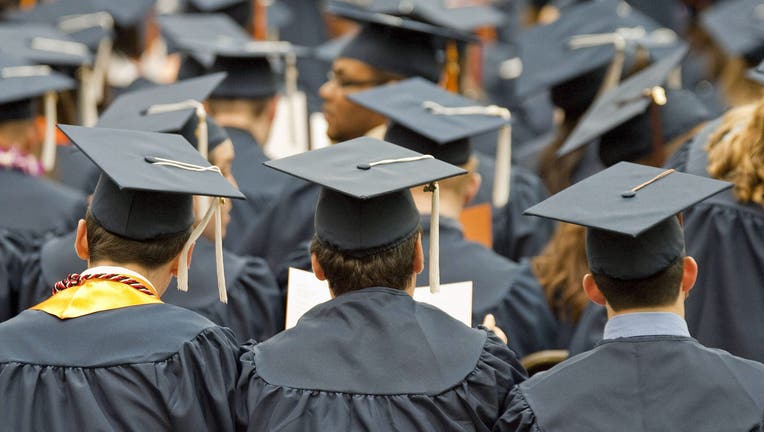
FILE: Two federal judges have struck down a Trump administration overhaul of the public service student loan forgiveness program. Photographer: Michael Okoniewski/Bloomberg via Getty Images
A Trump administration overhaul of the public service student loan forgiveness program has been struck down by two federal judges who ruled that the program could become a tool for political retribution.
The ruling came in response to a pair of lawsuits filed by more than 20 states along with a coalition of nonprofit groups and cities.
What changes did Trump make to public service loan forgiveness?
The backstory:
Congress created Public Service Loan Forgiveness in 2007 to encourage college graduates to work in government and nonprofit jobs. It promised to forgive their federal student loans after they worked in public service jobs for 10 years.
Last year, the Trump administration moved to add new eligibility rules that would strip the benefit from workers whose employers are deemed to have a "substantial illegal purpose."
The overhaul targeted nonprofits and government organizations that support causes at odds with the Trump administration’s priorities.
It gave the education secretary power to exclude groups from the program if they engage in the trafficking or "chemical castration" of children, illegal immigration or supporting terrorist organizations. Its definition of "chemical castration" included using hormone therapy or drugs that delay puberty.
The overhaul amounted to a major reworking of a program that has canceled loans for more than 1 million Americans. Nonprofits and government groups said it undercut an important benefit that helped attract college graduates to jobs that traditionally pay less than the private sector.
What did the ruling say?
What they're saying:
U.S. District Judge Myong Joun agreed, saying the changes overstepped the agency’s power and threatened to violate First Amendment protections for free speech. In Washington, D.C., District Judge Amir Ali issued a similar ruling in a case brought by nonprofit organizations. The rulings came a day before the new rules were set to take effect.
"This decision is a win for the communities that depend on local nonprofits and for the workers who serve them," said Diane Yentel, president and CEO of the National Council of Nonprofits, one of the plaintiffs in the Massachusetts case.
Joun said the new rules threatened to impose the administration’s policy views on employers. The judge also faulted the department for failing to connect its definitions of illegal activity to criminal statutes.
RELATED: Judge blocks limits on graduate student loans
"The Department cannot create new criminal prohibitions through rulemaking," he wrote.
The judge also questioned the department’s stated rationale for proposing the new rules, drawing on its own estimates that fewer than 10 employers would be barred from the program per year.
"The Department offers no explanation for why a Final Rule with such sweeping consequences is necessary to address the possibility that, at most, ten employers each year may be engaging in illegal activity," Joun wrote.
The other side:
Under Secretary of Education Nicholas Kent said the department was evaluating next steps.
"The Department stands behind this commonsense policy to ensure that taxpayer dollars are never used to subsidize illegal activities," Kent said in a written statement.
The Source: This report includes information from The Associated Press.