

Afroman wins lawsuit after police sued him over 2022 paid mockery
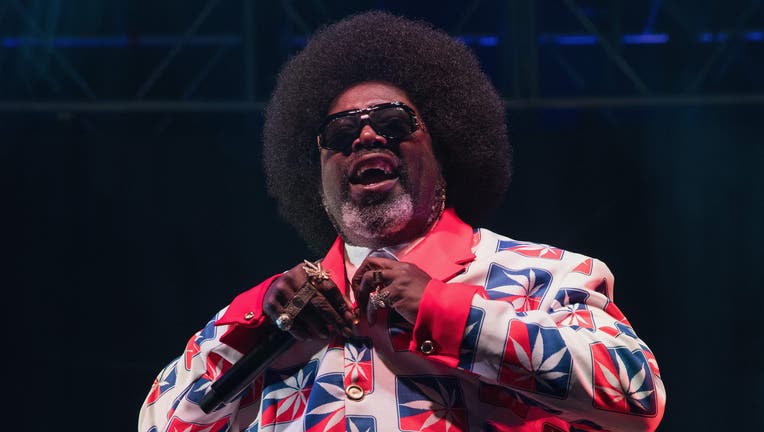
Rapper Afroman performs onstage during the Texas Ballpark Tour at Dell Diamond on December 2, 2018 in Round Rock, Texas. (Photo by Rick Kern/WireImage)
An Ohio judge ruled in favor of a 51-year-old rapper, Afroman, after several law enforcement officers sued him for mocking them following a raid they conducted at his Ohio home.
Afroman, born Joseph Foreman, best known for his early 2000s hit song, "Because I Got High," used home security footage of the raid as content for a music video alongside commentary on their law enforcement tactics and personal lives.
The backstory:
According to court documents, the deputies were conducting the raid from a search warrant on a suspicion of drug trafficking and kidnapping. No arrests were made and no charges were filed.
Following the raid, the rapper posted memes and recorded various lyrics in videos commenting on their personal lives, calling them crooked cops and accusing them of stealing $400 in cash from his home.
Further lyrics included referencing damage done to his home and one deputy’s focus on a lemon pound cake that garnered its own self-titled track. The viral music video has been viewed over 3 million times on YouTube.
Two sergeants, a detective and four additional deputies from the Adams County Sheriff’s Office claimed Afroman used their likeness without their permission and profited off their images. The suit also claimed the deputies suffered embarrassment and death threats attributed to the artist’s lyrics.
What we know:
Afroman faced off against the deputies in court this week as a judge heard the case brought by the deputies. The plaintiffs were seeking the content’s removal and nearly $4 million in damages, according to their attorney.
What they're saying:
"The whole raid was a mistake. All of this is their fault. If they hadn’t have wrongly raided my house, there would be no lawsuit. I would not know their names," the rapper testified from court. "They wouldn’t be on my home surveillance system, and there would be no songs, nothing."
He told reporters after the verdict, "I didn’t win, America won. America still has freedom of speech. It’s for the people, by the people."
Big picture view:
Afroman testified in the hearing, defending his work, arguing it as protected First Amendment speech. His attorney argued in court it is not unusual for artists to exaggerate in social commentary.
The Source: Information in this article was taken from reporting by the Associated Press and NPR. This story was reported from Orlando.