

Midterms mark historic firsts across several states and the nation
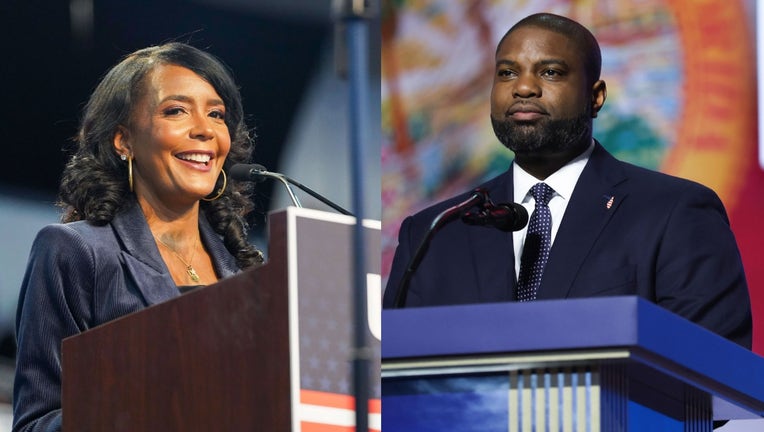
Georgia Democratic gubernatorial nominee Keisha Lance Bottoms speaks during a midterm campaign rally on October 28, 2026 in Morrow, Georgia. (Photo by Megan Varner/Getty Images) Florida Republican gubernatorial candidate, U.S. Rep. Byron Donalds (R-F
Tuesday’s midterm elections delivered sweeping victories for Democrats across the country, but the results also marked a series of historic firsts as candidates from underrepresented communities won some of the nation’s highest offices.
From Georgia to New Mexico, voters elected candidates who broke barriers involving race, gender, religion and sexual orientation. The milestones crossed party lines, with Republicans and Democrats alike celebrating historic victories.
"These firsts show how our country is changing," Alexis Anderson-Reed, president and CEO of State Voices, a network of organizations advocating for civic engagement and equity in democracy, said in an email.
"For years, people of color and LGBTQ+ communities have organized, knocked on doors, talked to voters, held conversations, and done the hard work of saving our democracy," Anderson-Reed said. "These wins are because of them."
First Black female governor
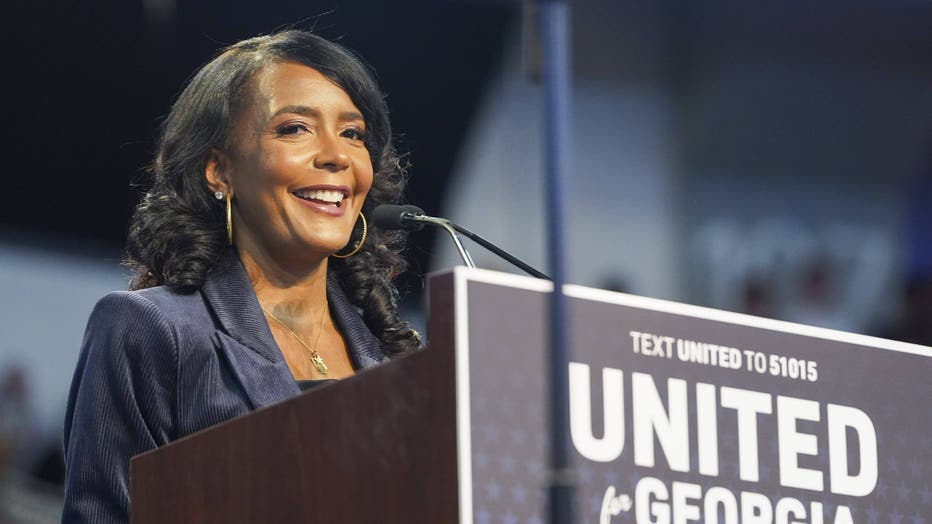
Georgia Democratic gubernatorial nominee Keisha Lance Bottoms speaks during a midterm campaign rally on October 28, 2026 in Morrow, Georgia. (Photo by Megan Varner/Getty Images)
Former Atlanta Mayor Keisha Lance Bottoms defeated Republican businessman Rick Jackson to become the first Black woman elected governor in U.S. history.
Bottoms also made history in Georgia, becoming the state's first Black governor.
Before her gubernatorial campaign, Bottoms served as Atlanta's mayor from 2018 to 2022, gaining national attention for her leadership during the COVID-19 pandemic and the protests following George Floyd's death. Her victory marks another milestone in a political career that began on the Atlanta City Council.
The win also ended more than two decades of Republican control over the state's governor's office, a Democrat's first win in that spot since 1998.
Historic victories for Black and Latino governors
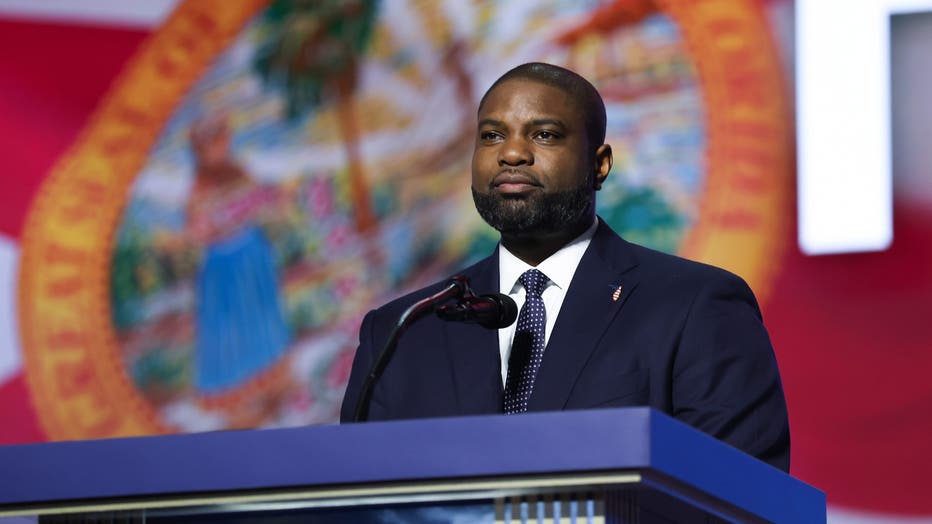
Florida Republican gubernatorial candidate, U.S. Rep. Byron Donalds (R-FL) speaks on stage on the first day of the 2026 Republican National Convention at the American Airlines Center on September 09, 2026 in Dallas, Texas. (Photo by Kevin Dietsch/G
Tuesday's elections doubled the number of Black Americans elected governor by popular vote in U.S. history, adding three new names to a list that previously included just three men.
Along with Bottoms in Georgia, Republican Byron Donalds won Florida's gubernatorial race, succeeding term-limited Gov. Ron DeSantis and becoming the state's first Black governor.
In Wisconsin, Democrat David Crowley defeated Republican Tom Tiffany, becoming the first Black governor elected in the state's history.
Before Tuesday, only three Black Americans had been elected governor by popular vote: L. Douglas Wilder of Virginia, Deval Patrick of Massachusetts and Wes Moore of Maryland. Moore, the only sitting governor among the three, won reelection to a second term.
Latinos were also in for a huge night in two of our country’s most populous states. Texas voters staged one of the night's biggest upsets by electing Democrat Gina Hinojosa as the state’s first Latina governor. And a hotly contested race in California, that saw a strong Republican challenger in Republican Steve Hilton, saw a landslide victory for Xavier Becerra, the state's former attorney general.
First Muslim elected to the U.S. Senate
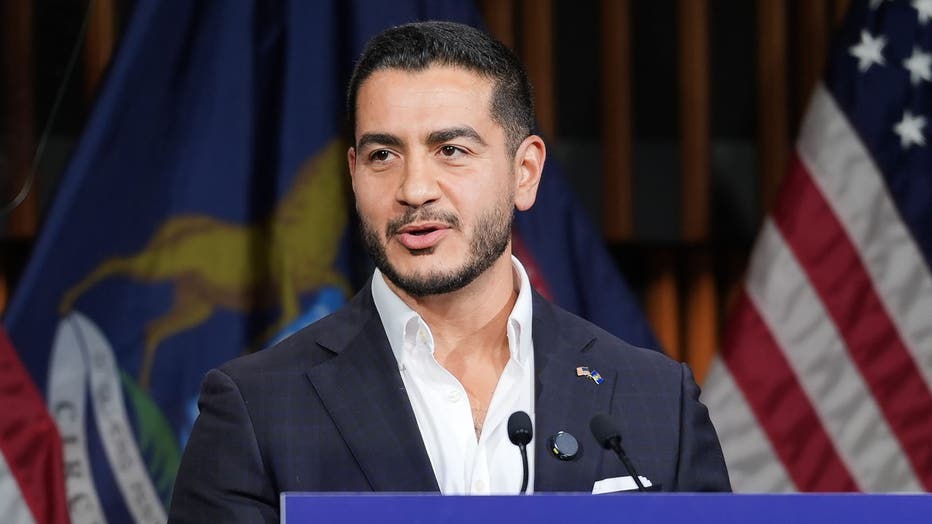
Michigan Democratic Senate candidate Abdul El-Sayed speaks during a midterm election night watch party at the Department at Hudson's on November 04, 2026 in Detroit, Michigan. (Photo by Salwan Georges/Getty Images)
Democrat Abdul El-Sayed made history in Michigan, becoming the first Muslim American elected to the U.S. Senate after defeating Republican Mike Rogers.
The race was contentious, particularly after El-Sayed's Democratic primary opponent, Haley Stevens, endorsed Rogers in the general election.
In an early Wednesday victory speech, El-Sayed criticized President Donald Trump and Vice President JD Vance, referring to his upcoming swearing-in as an ironic moment. He also addressed Trump, who has repeatedly mispronounced his name, telling the president to call him "Senator."
RELATED: Democrats win House and Senate - what this means for Trump's final two years
Historic victories for Native American women
Minnesota Lt. Gov. Peggy Flanagan became the first Native American woman elected to the U.S. Senate after defeating Republican Michele Tafoya, a former sports broadcaster.
Flanagan, a citizen of the White Earth Band of Ojibwe, will make history when she takes office.
In New Mexico, Democrat Deb Haaland defeated Republican Gregg Hull, becoming the first Native American woman elected governor in U.S. history.
"Tonight, in our nation’s 250th year, I stand before you as the first Native American woman elected governor in U.S. history," Haaland told supporters during her victory celebration.
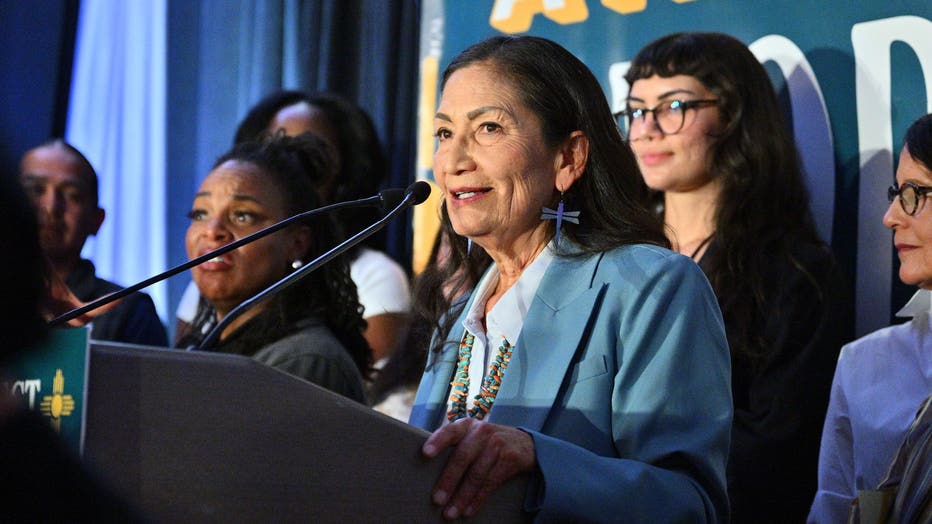
New Mexico Democratic gubernatorial candidate Deb Haaland speaks to supporters during the New Mexico Democratic Party midterm Election Night celebration at the Route 66 Hotel-Casino after being elected as governor on November 03, 2026 in Albuquerque,
Haaland previously made history in 2018 when she became one of the first two Native American women elected to Congress.
As of Wednesday morning, another closely watched race involving a Native American candidate remained unresolved.
In Alaska, Democrat Mary Peltola, a member of the Yup’ik people and the first Alaska Native elected to the U.S. House, remains locked in a close Senate contest as of Wednesday morning against Republican incumbent Dan Sullivan.
First openly gay man elected to the Senate
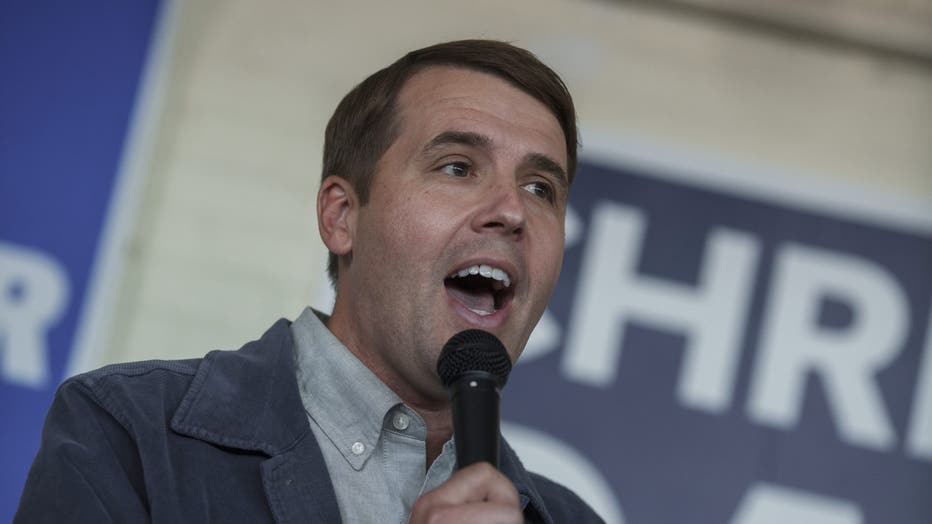
New Hampshire Democratic Senate candidate, U.S. Rep. Chris Pappas (D-NH) was joined by U.S. Sen. Raphael Warnock (D-GA), while campaigning on October 6, 2026 in Nashua, New Hamshire. (Photo by John Tully/Getty Images)
Democratic Rep. Chris Pappas won New Hampshire's U.S. Senate race, becoming the first openly gay man elected to the chamber.
Throughout his campaign, Pappas generally avoided making his sexual orientation a central issue, instead welcoming the fact that it was not a significant point of contention among voters.
Historic gains for women in politics
Women also made significant gains in several gubernatorial and congressional races.
Nearly 300 women, including some incumbents, ran for Senate and House seats, according to Rutgers’ Center for American Women and Politics. Democrats did increase their number of female candidates from the midterms of four years ago to 19 running for governor. Republicans had seven women looking for their state's top office.
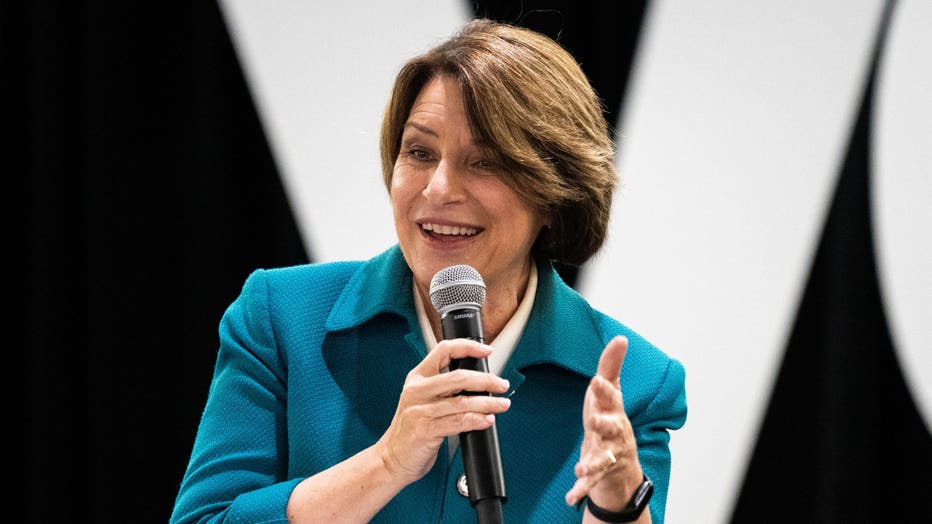
Minnesota Democratic gubernatorial candidate, U.S. Sen. Amy Klobuchar (D-MN) speaks during a campaign event at the Northern Midwest Regional Council Of Carpenters on November 1, 2026 in St. Paul, Minnesota. (Photo by Stephen Maturen/Getty Images)
Minnesota and Tennessee elected their first female governors. In Tennessee, U.S. Sen. Marsha Blackburn beat out Democrat Jerri Green and Minnesota saw Sen. Amy Klobuchar come out on top against Lisa Demuth, who was seeking to become the first Black female governor.
Illinois also saw historic developments in its U.S. Senate races.
Democrat Juliana Stratton won election to the Senate, becoming one of the state's first women of color elected to the chamber, alongside incumbent Sen. Tammy Duckworth, who is of Thai heritage.
Stratton's victory also means three Black women will serve in the U.S. Senate simultaneously, marking another milestone for representation in Congress.
The Source: This story was written with information provided by The Associated Press, previous reporting by Fox Local and election results from the 2026 midterm elections. This story was reported from Orlando.