

Veterinarian warns dementia signs in aging pets may be overlooked
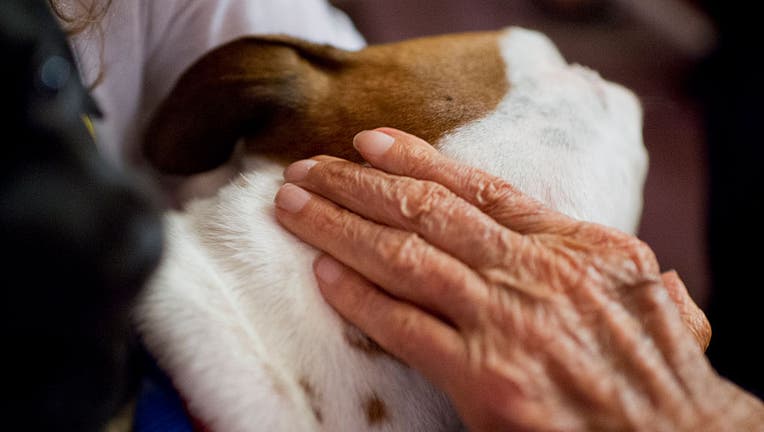
(Photo By Tom Williams/CQ Roll Call)
As dogs and cats grow older, changes in their mobility, sleep patterns and behavior may be dismissed as a normal part of aging. But some of those changes can be signs of cognitive dysfunction, commonly known as dementia.
What they're saying:
Dr. Joel White, a clinical assistant professor who teaches neurology and neurosurgery at Texas A&M University’s College of Veterinary Medicine and Biomedical Sciences, said dementia is a real, diagnosable condition in older pets.
"Although there's not one specific way to cure dementia in dogs and cats, there are definitely management strategies that we could explore, you and your veterinarian could explore, to help improve your pets and your own quality of life while you manage this disease process," White said.

Treating sleep apnea in older adults may reduce risk of dementia, study finds
Researchers from the Michigan Medicine's Sleep Disorders Center made the discovery.
Dig deeper:
Symptoms can include disruptions in a pet’s sleep-wake cycle, such as sleeping more during the day and staying awake or restless at night. Pets may also become more anxious, have difficulty settling down or interact less with their owners and other animals.
RELATED: Missing dog Luna rescued after more than a month in Yellowstone National Park
Other signs can be more subtle. A pet may lose interest in walks, playtime or jumping onto furniture. Owners may assume those changes are caused by arthritis or simply getting older, but White said they can also be early indicators of cognitive decline.
What you can do:
Dementia can appear in different ways, so White recommends that owners pay attention to any behavior that is unusual for their pet. A single incident may not be cause for concern, but repeated changes over several weeks or months should be evaluated by a veterinarian.
Researchers believe cognitive dysfunction in dogs and cats shares some biological similarities with dementia in humans. One involves beta amyloid, a protein that can accumulate in the brain and blood vessels when the body does not properly clear it. That buildup can affect brain function and lead to behavioral changes.
Changes in a pet’s surroundings may make symptoms more noticeable. Moving furniture, changing routines or relocating to a new home can be disorienting for an animal experiencing cognitive decline.
RELATED: Largest wiener dog in Texas: Dachshund statue unveiled in Buda
The condition can also be difficult for owners, particularly when pets begin pacing, waking them at night or having accidents in the house. White said those behaviors are not intentional.
"Give your pet grace, give yourself grace," White said. "It’s OK to feel frustrated. But it’s not a choice that anyone is making. Your pet doesn’t have any control over this."
Owners who notice a consistent change in an older pet’s behavior should schedule an appointment with a veterinarian. A hands-on examination can help determine whether the symptoms are linked to dementia, arthritis or another health condition.
The Source: The Associated Press contributed to this report. The information in this story came from an interview with Dr. Joel White, a clinical assistant professor at Texas A&M University’s College of Veterinary Medicine and Biomedical Sciences who teaches neurology and neurosurgery. This story was reported from Los Angeles.