

US sees worst Dengue Fever outbreak since the 1930s, experts say
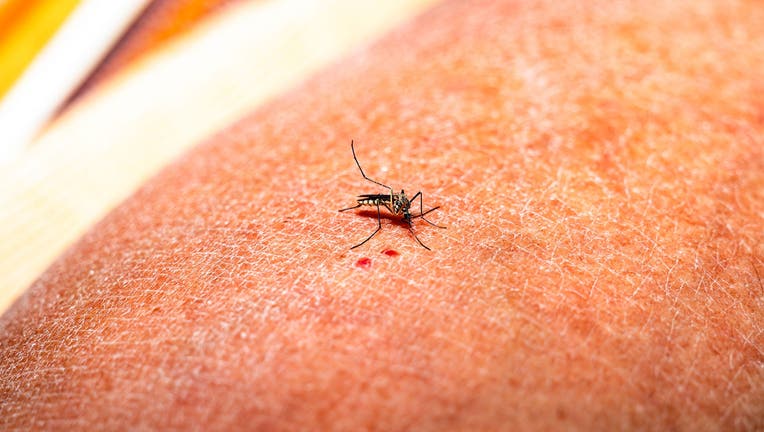
Aedes mosquitoes expand their range because of climate change, spreading diseases like dengue, Zika, West Nile, yellow fever, and chikungunya to new areas, including the US Mountain West and Southeast and Europe. (Photo by Soumyabrata Roy/NurPhoto vi
Florida state health officials say more than 200 people have contracted Dengue Fever, making it the largest outbreak of the mosquito-borne disease in about 90 years.
What we know:
People with Dengue can experience flu-like symptoms, but severe cases can cause intense pain and even death.
Penn State biology professor Beth McGraw says this year’s long, wet summer, which created a perfect breeding ground, combined with a resistance to insecticides on the market that therefore haven’t worked as well as they used to.
"Florida’s experienced a very large outbreak, the biggest since the 1930s," McGraw said.
She says the illness is primarily being passed to humans by the Aedes aegypti mosquito.
Dengue is often brought in by travelers who visited other parts of the world where the illness is more common.
"But here, we’re actually getting local mosquitos in Florida that are doing the transmitting," she says. "Increasingly, we're seeing dengue fever in regions of the world where we didn't use to."
Three Florida counties — Pasco County, Hillsborough County and Pinellas County — declared states of emergency last month amid the spread of dengue fever in the state.
Why you should care:
McGraw says the virus infects the mosquito but does not cause illness in the insect. But when an infected mosquito bites a human, McGraw says it can transfer some of the virus that’s growing in their tissues, "which then causes a systemic infection in humans with a lot of nasty side effects."
The side effects often feel a lot like the flu.
"They might have high fever, achy joints, and feel sick for about 10 days," she says. "Some people can have really mild versions. And then in extreme cases, people can have very serious forms of the disease that can lead to death.
Dengue is endemic in many tropical and subtropical regions, including Southeast Asia, the Western Pacific islands, Latin America and Africa. Though less common in the continental U.S., locally acquired cases have been recorded in Florida, California and Texas.
McGraw blames the increase in cases on changing distributions of the mosquitoes, which are increasingly moving northward.
"We used to see them only in the tropics but with climate change, we're seeing them in the southern U.S. more and more."
What you can do:
Experts say people living in areas where the virus is active should take extra precautions against mosquitos, including trying to reduce the opportunities for the insects to breed around your home.
"Mosquitos that transmit Dengue virus don’t live in the forest. They like to live in and around human habitation," McGraw says. "And so if you can reduce the standing water in your backyard or in and around your house, you can help to decrease that population size of the mosquitos and reduce your chances of being bitten."
She also suggests wearing long sleeves and long pants outside, along with using insecticides and insect repellents.
At the moment, there is no vaccine to prevent Dengue fever.
The Source: Information in this story came from the Associated Press and previous FOX News reporting. This story was reported from Orlando.