

Trump administration moves to decertify Kentucky organ donation group
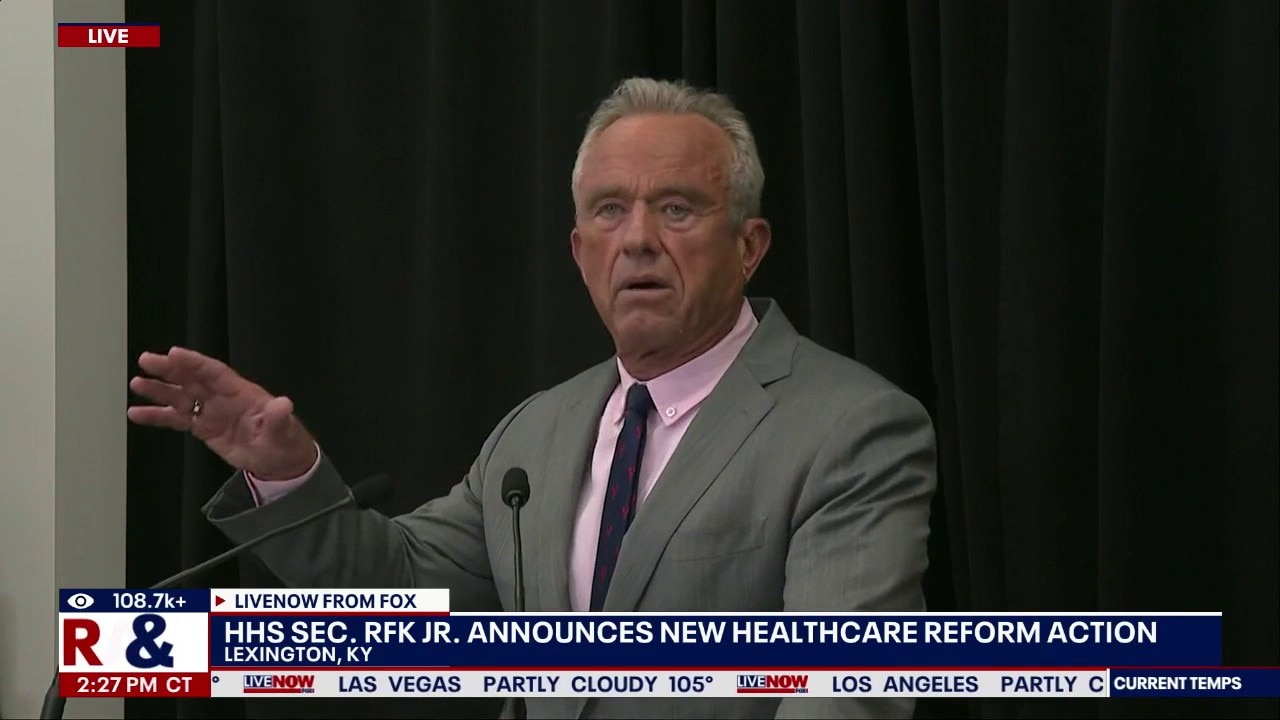
RFK Jr. announces new organ transplant reform
Health and Human Services Secretary Robert F. Kennedy, Jr. joined officials in Kentucky to announce changes to the organ transplant system in the U.S. The federal government is moving to decertify and shut down non-compliant organizations.
WASHINGTON - The Trump administration announced Wednesday that it is moving to revoke the certification of a Kentucky-based organ procurement organization following allegations that it continued preparing organ recovery procedures for patients who later showed signs of neurological activity or other indications they may not have met donation criteria.
The decision targets Network for Hope, a nonprofit responsible for coordinating the recovery of organs from deceased donors in Kentucky and parts of neighboring states, and help match them to patients on the nation’s transplant list.
Trump administration moves to shut down organ donation group
What they're saying:
Health and Human Services Secretary Robert F. Kennedy Jr. described the organization as "a bad apple," and accused it of "persistent safety failures" in announcing the government was starting the process to decertify it.
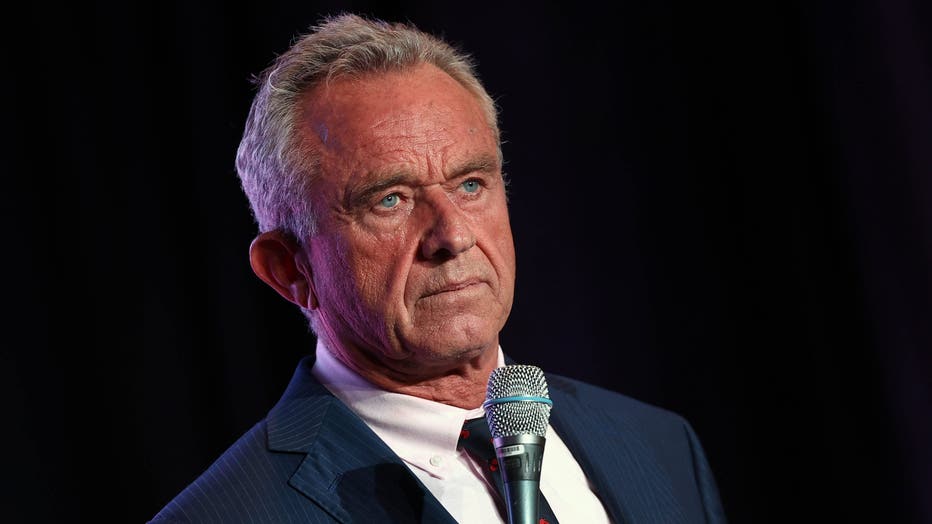
Robert F. Kennedy Jr. speaks at the Libertarian National Convention on May 24, 2024 in Washington, DC. (Credit: Kevin Dietsch/Getty Images)
Network for Hope rejected the allegations, saying it "strongly disagrees" with the administration's decision and intends to appeal. The organization said it follows all federal organ donation regulations and has already strengthened its procedures.
Trump administration decision stems from 2021 incidents
The backstory:
The action stems from incidents that occurred in 2021 involving the organization's predecessor.
Federal officials allege that staff pressured a hospital to move forward with withdrawing life support and recovering organs from a patient who had overdosed on drugs despite indications that he was regaining consciousness.
The organ recovery procedure did not take place, and the patient ultimately survived. His sister appeared alongside Kennedy at Wednesday's announcement and expressed gratitude for the federal action.
The cases attracted national attention in recent years and coincided with reports of more people removing themselves from state organ donor registries out of concern about the donation process.
More than a year ago, Network for Hope introduced what it called a first-of-its-kind safeguard that allows anyone involved in a patient's care – including family members and healthcare professionals – to pause donation planning if there are concerns about the patient's eligibility.
Big picture view:
Under existing rules, organ procurement organizations (OPOs) do not determine whether a patient has died. That decision must be made by the treating physician at the hospital. Only after death has been officially declared can an OPO begin coordinating donation, identifying transplant recipients, and arranging organ recovery procedures.
EARLIER: HHS to reform organ transplant system after probe finds donors showed 'signs of life'
Most deceased donated organs come from patients who have been declared brain-dead. In other cases, organ donation may occur after a patient's family decides to withdraw life-sustaining treatment when doctors determine the injuries are not survivable – and in certain circumstances, that also can allow for donation.
More than 100,000 Americans are currently waiting for an organ transplant, with kidney patients making up the largest share of the list. Although the United States performed a record-breaking 49,000-plus transplants last year, thousands of patients still die each year before a suitable organ becomes available. Last year's record came despite the first decline in deceased organ donations in more than a decade.
The Source: This story was reported from Los Angeles. The Associated Press contributed.