

Spring clock change linked to higher risk of retinal disease: study
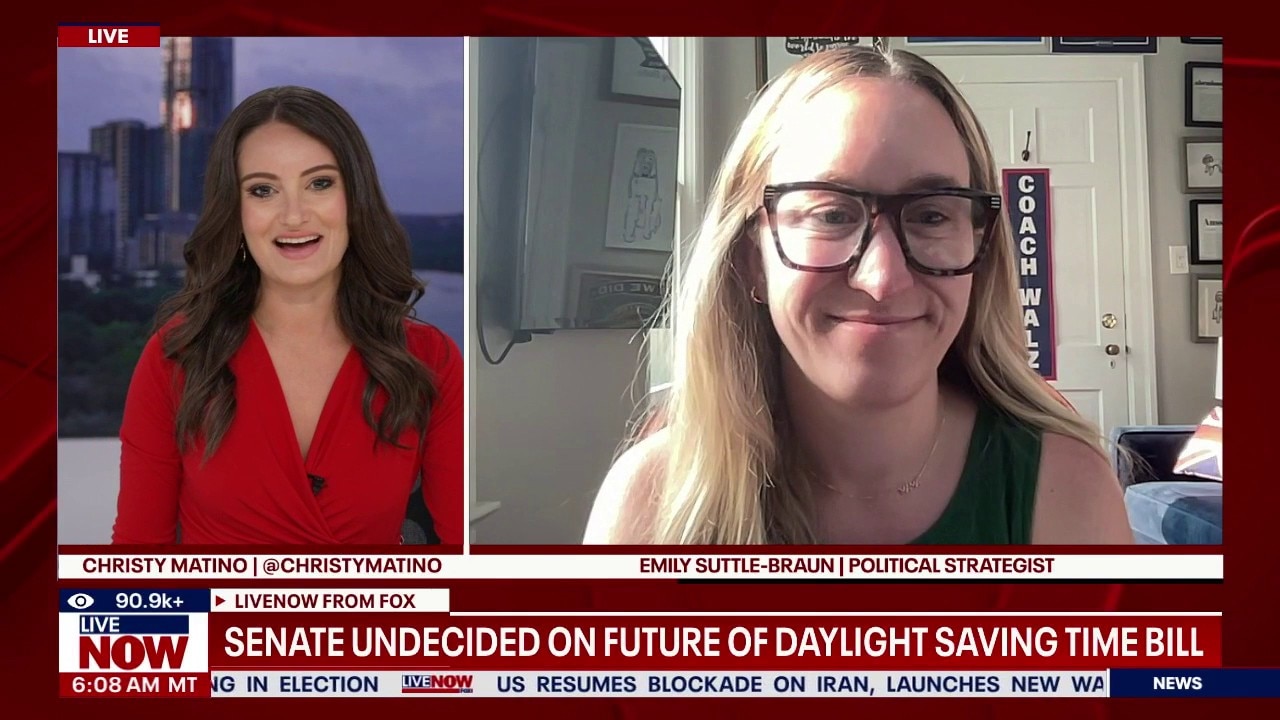
Senate undecided on future of daylight saving time bill
Senate undecided on future of Daylight Saving time. Emily Suttle-Braun, political strategist, joins LiveNOW from FOX to discuss the latest.
Switching the clocks forward in the spring does more than just disrupt sleep, it may also increase the risk of serious, vision-threatening eye conditions, according to a new study from Northwestern Medicine.
The findings, published in Scientific Reports, mark the first time scientists have detailed a connection between time changes and blood vessel disorders in the retina. They also come after the U.S. House of Representatives recently passed a measure to make daylight saving time permanent, though its fate in the Senate remains uncertain.
Clock change and retinal disease
By the numbers:
Researchers analyzed national health data and found that the transition to daylight saving time was linked to an up to 30% increase in the risk of developing retinal vascular disease in the following month. Conversely, turning the clock back an hour in the fall was linked to a 20% lower risk.
RELATED: House passes Daylight Saving Time bill: What it means for your state
What they're saying:
"Our study suggests gaining an hour of sleep may be protective against disease risk," Dr. Rukhsana Mirza, a professor at Northwestern University’s Feinberg School of Medicine and the study’s lead author, said. "Even one hour of change can impact a patient’s health, and perhaps patients who are reporting new symptoms in the period after a change in time, specifically in the spring, may warrant closer evaluation."
Dig deeper:
Seasonal clock changes disrupt the circadian rhythm, the internal 24-hour clock regulating sleep, hormones and other body functions. Previous studies have linked these disruptions, particularly the spring transition, to an increased risk of heart attacks and strokes.
Because the retina shares complex microvascular networks with the cardiovascular system, Mirza’s team set out to determine if similar risks applied to eye health.
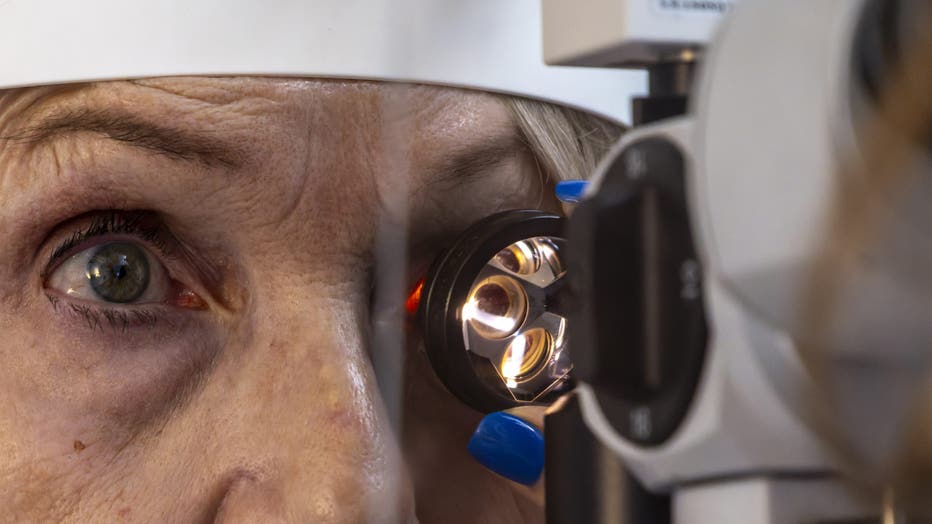
A new study concludes that changing the clocks forward in the spring can increase the risk of serious eye diseases. (Photo by Horacio Villalobos#Corbis/Corbis via Getty Images)
Researchers analyzed health insurance claims data for more than 18 million patients ages 18 to 64 who were diagnosed with retinal vascular disease between 2012 and 2014.
They tracked four specific conditions: retinal artery occlusion, retinal vein occlusion, proliferative diabetic retinopathy, and neovascular age-related macular degeneration. Key findings from the month following time changes included:
- Spring time change: A 20% to 30% higher risk of developing proliferative diabetic retinopathy and neovascular age-related macular degeneration.
- Fall time change: A 20% to 40% lower risk across all four retinal vascular diseases studied.
Circadian misalignment
Why you should care:
"Losing an hour’s sleep and circadian misalignment can cause inflammatory responses and metabolic derangements," Dr. Kyle Chan, resident physician in ophthalmology at Feinberg and co-first author of the study, said. "There’s also been some literature suggesting that getting an hour’s sleep in the context of daylight saving might be protective."
What's next:
Chan noted that the study was limited by using only three years of data and said future research should look to replicate the results in larger datasets.
The Source: This report includes information from Northwestern Medicine’s "Daylight saving time transition and new-onset retinal vascular disease: a nationwide cohort study."