

Popular sleep aids before surgery may lower risk of long-term opioid use, study finds
(Photo Illustration by Ute Grabowsky/Photothek via Getty Images)
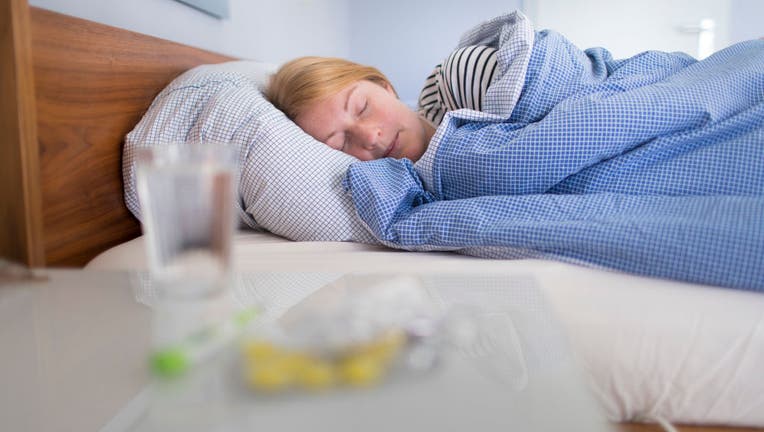
Taking melatonin or Ambien, also known as zolpidem, before surgery may be linked to lower pain levels and an easier recovery, according to new research.
Dig deeper:
The study, presented Oct. 18 at the ANESTHESIOLOGY 2026 annual meeting in San Diego, found that improving sleep before surgery with either medication may reduce anxiety, postsurgical pain and opioid use.
Researchers reviewed 16 studies involving more than 1,100 patients who underwent abdominal, gynecologic, orthopedic, urologic, dental and other procedures between 2000 and 2025, according to a press release from the American Society of Anesthesiologists.
RELATED: Dementia risk may be linked to seemingly harmless daily habit, new research suggests
Melatonin was generally taken the night before surgery or 20 to 90 minutes before anesthesia. Doses ranged from 1 milligram to 20 milligrams.
Ambien was consistently given at a 10-milligram dose at bedtime, either the night before surgery or for several nights leading up to the procedure.
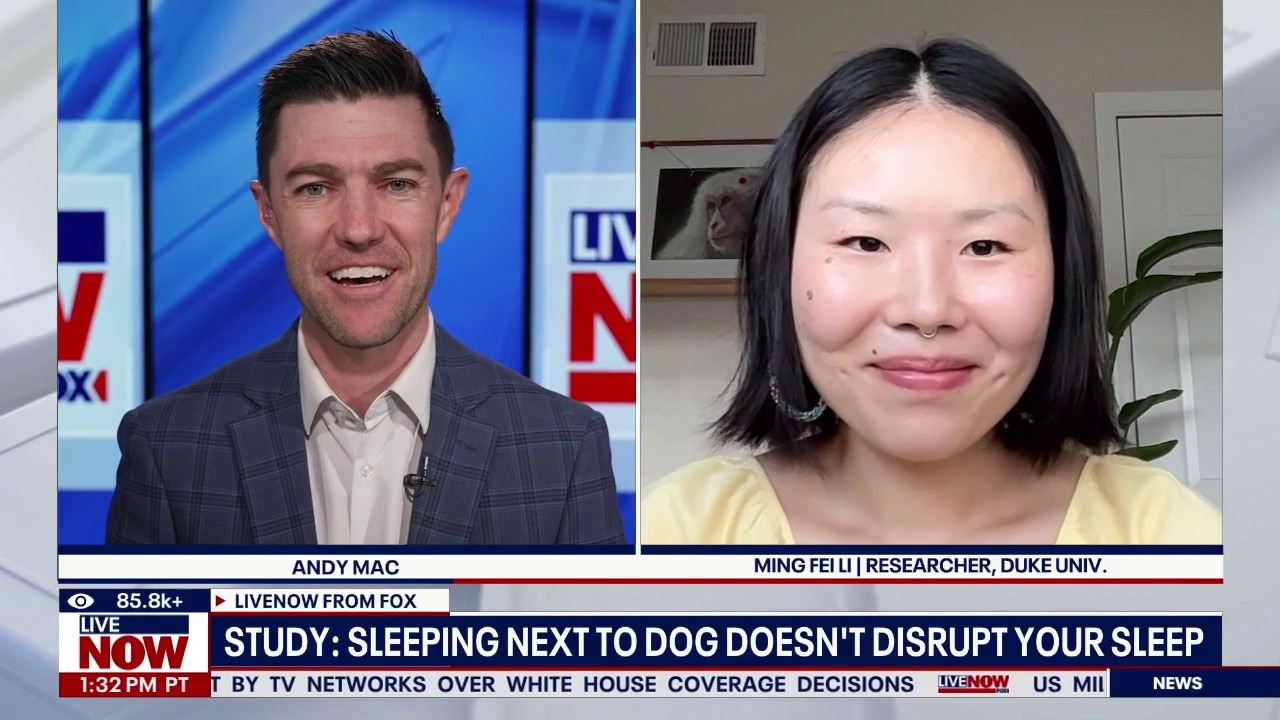
Sleeping next to your dog: Does it impact your sleep?
A new study indicates that while sharing a bed with a dog does not significantly impact human sleep quality, it is actually the humans who frequently disrupt their pets' rest. One of the researchers, Ming Fei Li, joins LiveNOW's Andy Mac to discuss the study and its findings.
Sleep aids and surgery
Why you should care:
Although both medications are used to promote sleep, they work differently.
Melatonin is a naturally occurring hormone that helps regulate the body’s sleep-wake cycle, according to the National Institutes of Health. Ambien, or zolpidem, produces a sedative effect by acting on GABA-A receptors in the central nervous system, according to Food and Drug Administration prescribing information.
Across the studies, melatonin was associated with lower anxiety, pain and inflammation. Some patients who underwent abdominal surgery also used more than 30% fewer opioids.
The findings suggested that melatonin could have advantages over traditional sedatives for older adults, who may face a higher risk of postoperative confusion. Studies using activity monitors also found that melatonin was linked to improved recovery and sleep patterns.
RELATED: Women's wellness experiences: What's behind their popularity
Ambien appeared to help patients with pre-existing sleep problems sleep better before surgery and was also associated with lower pain afterward.
Patients who underwent colorectal surgery and took Ambien required less opioid medication during the procedure and during the first 24 hours afterward. They also had lower inflammation levels.
Patients who underwent hip replacement reported less anxiety and depression, as well as greater satisfaction with their recovery.
Because the research was a scoping review that summarized existing studies rather than directly testing a treatment, researchers could not make clinical recommendations or fully evaluate the risk of bias. They said additional research is needed.
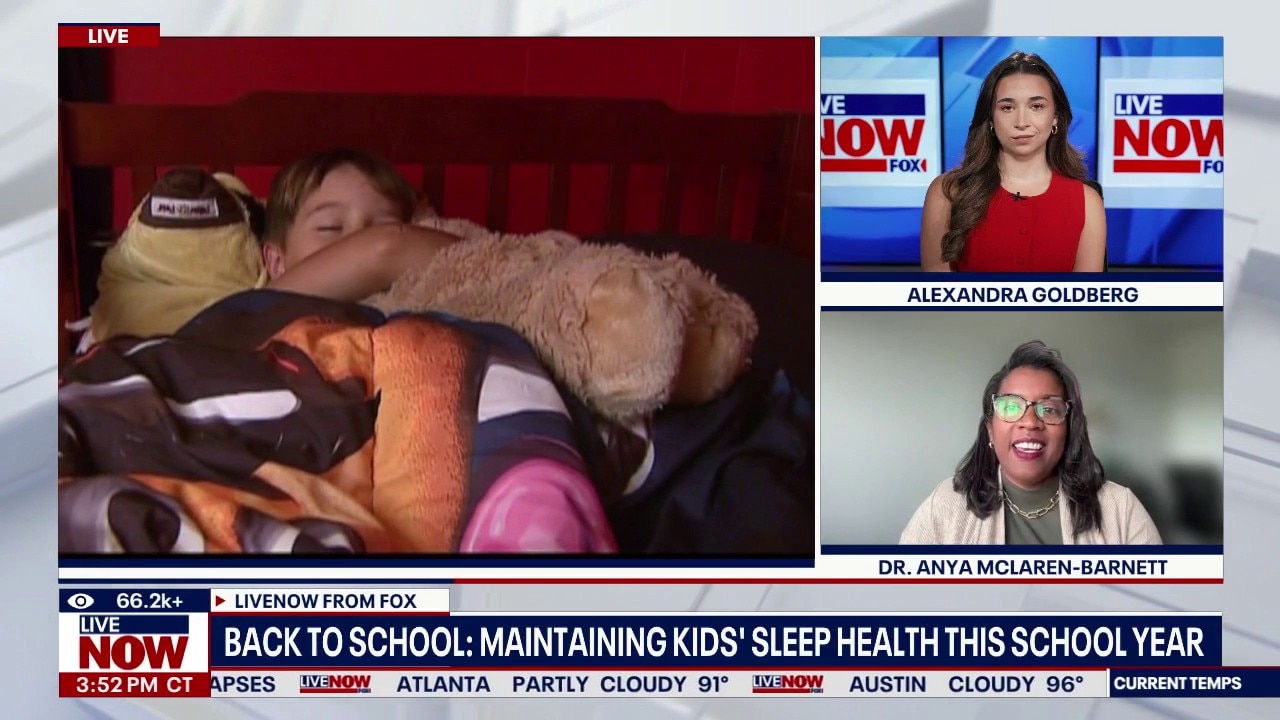
How to maintain good sleep health this school year
Dr. Anya McLaren-Barnett, pediatric respirologist, sleep medicine physician and founder of The Sleep Health Organization, joins LiveNOW's Alexandra Goldberg on how to maintain good sleep health during the busy back-to-school season.
Why sleep could affect pain
What they're saying:
Dr. Sebastian Amaya, the study’s senior author and a senior anesthesiology resident at Yale School of Medicine, said he was not surprised that better sleep was associated with improved outcomes.
Sleep is "extremely important" for overall health, including immune-system regulation, cognitive function and emotional well-being, he said.
The studies reviewed linked melatonin and Ambien use with lower pain levels and reduced opioid consumption, Amaya said.
"Pain is ultimately an experience," Amaya said, noting that a person’s surroundings and other individual factors can affect how pain is perceived.
Sleep also influences brain function, including the processes involved in experiencing pain, he said.
"A lot of the hormones that are involved in pain are also involved in sleep," he said. "If you have insomnia, if you have other chronic sleep issues, all these different biological pathways can be disrupted, and that could lead to increased pain after surgery."
RELATED: Pro-football Hall of Famer Marshall Faulk reveals Parkinson's diagnosis
"So, by having somebody with optimized sleep preoperatively, we decrease the risk of increased pain after surgery."
Opioids are frequently prescribed after surgery, and previous research has linked greater exposure to the medications with an increased risk of long-term use. While the possibility that better sleep could reduce postsurgical opioid use is promising, Amaya cautioned that the findings are not definitive.
"A lot of these studies did show that the patients had decreased pain levels and decreased opioid consumption in the immediate postoperative period," he said. "Unfortunately, they didn't get followed up for the next couple of days. That would be another study that should be done."
Amaya said the goal is to help patients leave the hospital as soon as possible while keeping their pain under control. Improving sleep before surgery may be "low-hanging fruit," particularly because blue light, noise and other modern lifestyle factors can disrupt sleep.
"There are probably a lot of people who actually have poor sleep quality, and that can play a role when they come to surgery and have postoperative problems, like a lot of pain," he said. "Maybe their sleep could have been optimized with better sleep hygiene, or maybe they could have talked to their primary care physician."
The other side:
Fox News Digital contacted the manufacturers of Ambien and melatonin for comment.
The Source: FOX News contributed tot this report. The information came from a review of 16 studies involving more than 1,100 surgical patients, presented at the ANESTHESIOLOGY 2026 annual meeting in San Diego. This story was reported from Los Angeles.