

Senate Democrat blocks data center electricity costs bill
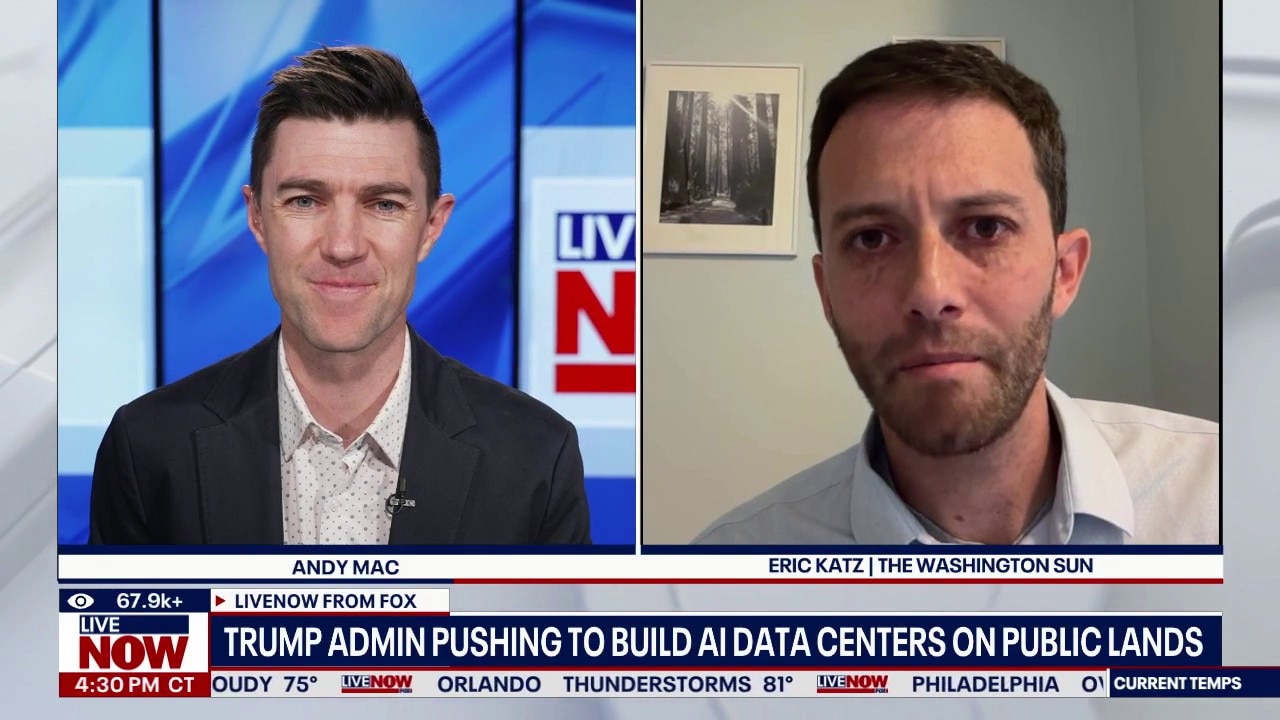
Trump admin pushing to build data centers on public land
The Trump administration is aggressively accelerating AI data center development on federal lands, prompting the Bureau of Land Management to identify potential sites. There are significant challenges to this though, with many remote locations lacking basic infrastructure, technical expertise deficits and severe staffing shortages. The Washington Sun's Eric Katz joins LiveNOW's Andy Mac to discuss his reporting on this effort.
WASHINGTON - A Senate Democrat on Thursday blocked a Republican-led effort to unanimously pass a bill aimed at shielding Americans from higher energy electricity and grid infrastructure costs associated with data centers.
The blockage comes one day after the bill secured widespread bipartisan support in the House in a 417 to 3 vote.
The bill, the Ratepayer Protection Act, seeks to make data centers or tech companies pay for increased electricity costs of new energy infrastructure, rather than pass those costs on to consumers. However, it does not require states to adopt any such standards or force tech companies to cover the costs.
Senate Democrat blocks data center bill
Big picture view:
On Thursday, Senate Democrat Martin Heinrich blocked Ohio Republican Sen. Jon Husted’s effort to approve the legislation under unanimous consent.
"Mr. President, America is expected to build the equivalent of 1,000 major data centers during the next five years," Husted said ahead of the vote. "And we need to protect American ratepayers from footing the bill."
However, New Mexico Sen. Heinrich blocked Husted’s effort to pass the bill, arguing that the measure doesn’t go far enough.
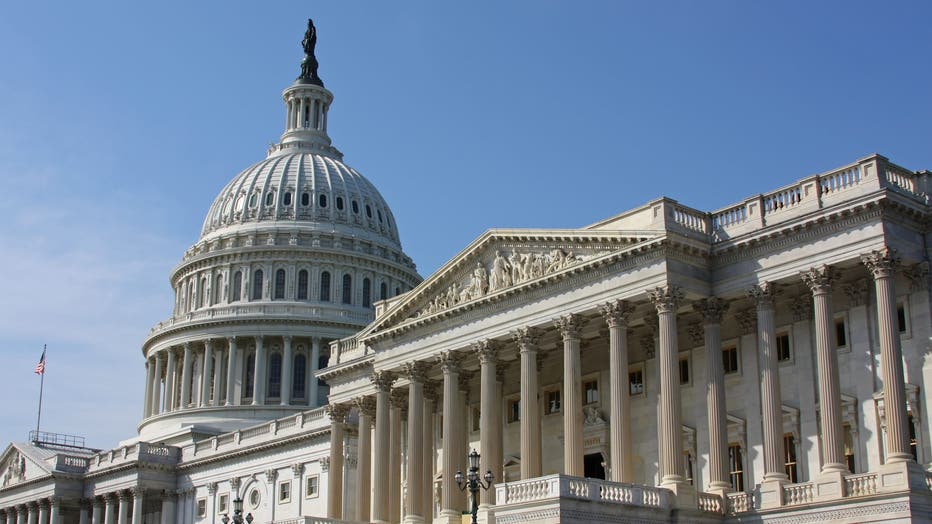
Sen. Martin Heinrich blocked an effort to fast-track the Ratepayer Protection Act in the Senate, saying it does not go far enough. (Credit: Getty Images)
"The Ratepayer Protection Act falls short of what we need to do to respond," Heinrich said, adding, "I don’t think it’s enough to just take their [tech companies’] word for it. It’s not enough for us to tell states to consider making data centers pay for grid updates. Rather than voluntary pledges or suggestions to states, Congress needs to pass real legislation with real teeth."
After objecting to Husted’s unanimous-consent request, Heinrich sought unanimous consent to pass his GRID Savings Act, but Sen. Bernie Moreno, R-Ohio, objected. Heinrich said the GRID Savings Act would "require large load customers like data centers to pay for the facilities needed to connect them to the grid, not to consider it, not to make pledges, to actually do it, to pay for the upgrades they need."
Following the Senate’s blockage of the bill, Husted said, "It is a shame that this opportunity has been missed today, but I will be back to push this issue forward. We have a bipartisan opportunity to get this done; we should do it immediately."
About Ratepayer Protection Act
Dig deeper:
In its current form, the Ratepayer Protection Act does not seek to ban data centers, set limitations on their expansion or even set regulatory guidelines for them. Instead, it amends existing energy law, the Public Utility Regulatory Policies Act (PURPA), so states must consider a federal standard. Large data centers that consume 100 megawatts or more would pay the full extra cost of the generation, transmission and distribution upgrades built to serve them.
Companies would also be required to make financial assurances in the event a project is canceled or moved to prevent communities from being left holding the bill.
RELATED: Trump says he is banning CNN, MSNOW and Politico from White House
Its sponsor, Rep. Gabe Evans, R-Colo., framed it as a needed step toward keeping data center energy costs from spilling over to local communities.
"As America races to lead the world in AI, we must build the energy infrastructure needed to support this innovation and stay ahead of competitors like communist China," Evans said in a statement earlier this year.
"But Colorado families, farmers and small businesses should not be forced to cover the costs of new power generation driven by these developments. The Ratepayer Protection Act is a bipartisan, commonsense solution that protects everyday Americans and ensures our nation can continue to win the AI race."
Husted introduced the bill on July 16, 2026.
The Source: The information for this story was provided by statements made by Senate Democrat Martin Heinrich and Ohio Republican Sen. Jon Husted. Congress, FOX News contributed. This story was reported from Los Angeles.