

Lawyer asks Trump to pardon Lindsay Clancy following mistrial
What's next after mistrial in Lindsay Clancy case?
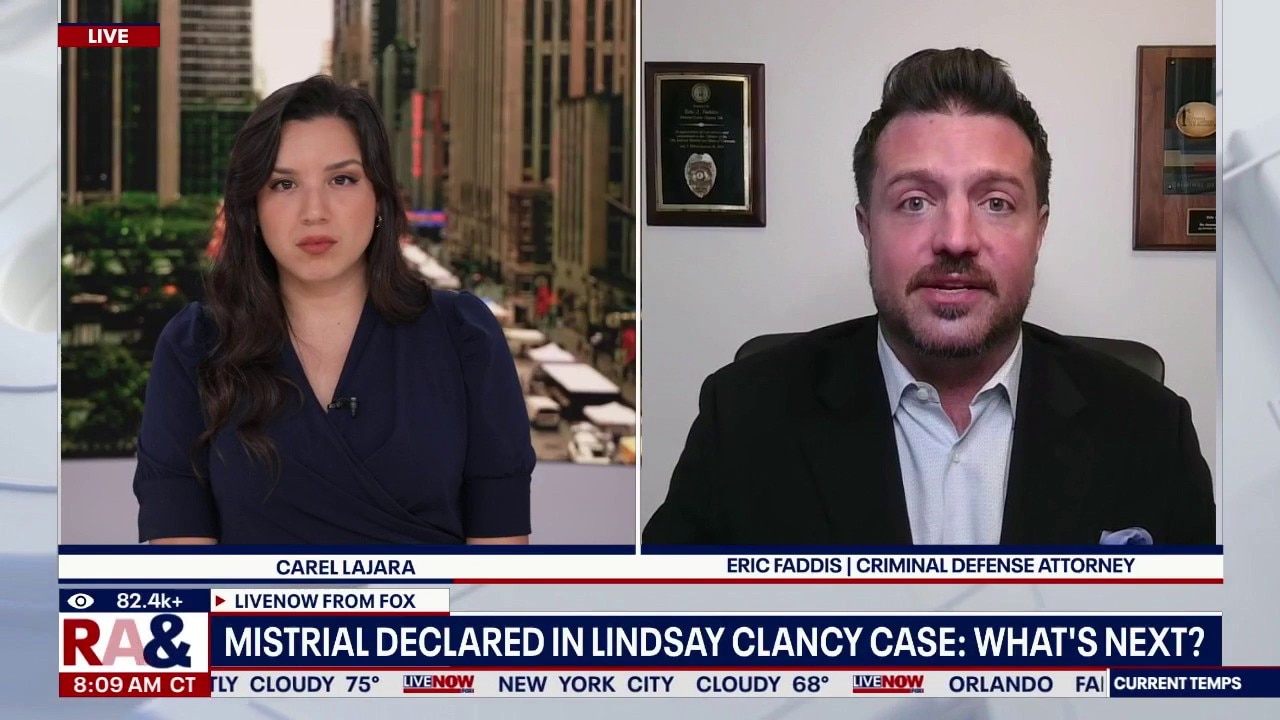
LiveNOW from FOX's Carel Lajara and criminal defense attorney Eric Faddis discuss what's next after a judge declared a mistrial in the Lindsay Clancy murder case.
WASHINGTON - The attorney for Lindsay Clancy, the Massachusetts mother whose murder trial ended in a mistrial last week, asked President Donald Trump to intervene in the case, seeking a pardon even though the charges were brought under state law.
Clancy, 36, is accused of killing her three young children at their home in January 2023. Her trial ended without a verdict after jurors were unable to reach a unanimous decision.
Lawyer asks Trump to pardon Lindsay Clancy
What they're saying:
"Mr. President, I would hope that you would consider this young lady, the type of person she is, what she’s been through, and consider a pardon," Clancy’s attorney Kevin Reddington said at the end of an interview on ABC's "Good Morning America."
When asked about the Clancy pardon request, the White House referred to the president's previous comments on the case, according to Reuters.
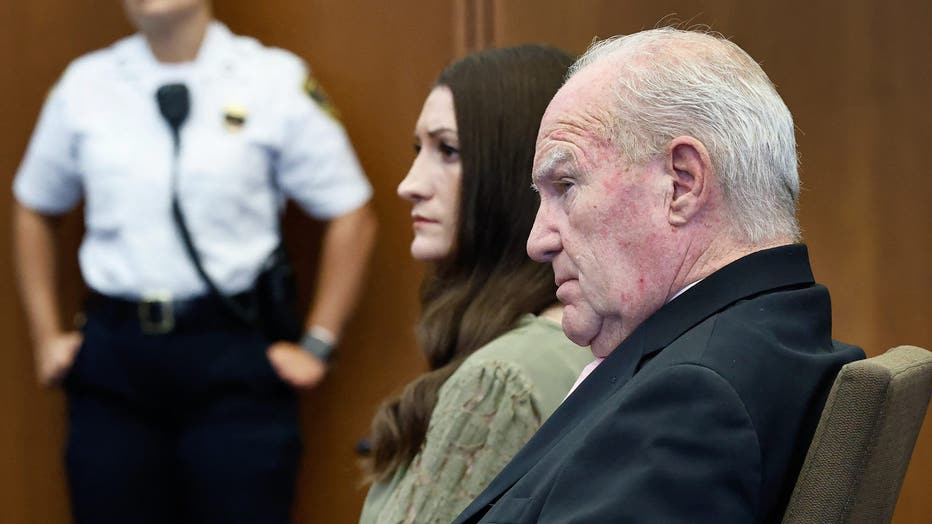
Kevin Reddington, defense attorney for Lindsay Clancy, and Lindsay Clancy look on as Judge William Sullivan instructs the jury to continue deliberating. (Credit: Greg Derr / POOL / AFP via Getty Images)
"She did a horrible, horrible thing. Can't be worse," Trump told reporters after a state judge declared a mistrial because jurors could not reach a unanimous verdict. "But you'll find out what the price to pay is. There'll be a price. It's going to be mental institution or jail or something."
What is a presidential pardon?
Big picture view:
Article II, Section 2 of the Constitution gives the president the power to "grant Reprieves and Pardons" for "Offences against the United States." That power applies to federal offenses, not crimes prosecuted under state law. The Justice Department specifically says the president cannot grant clemency for a state criminal conviction.
Trump has nevertheless purported to pardon at least one person convicted under state law: former Colorado county clerk Tina Peters. The legal basis and effect of such an action are distinct from the president's clearly established federal pardon authority.
Lindsay Clancy case ends in mistrial
The backstory:
At trial, Clancy's lawyers argued she was not guilty by reason of insanity, saying she was experiencing a psychotic episode caused by postpartum psychosis. Meanwhile, prosecutors argued the killings were premeditated.
RELATED: Lindsay Clancy murder trial ends in mistrial after jury deadlocked
Following legal procedures that took several hours last Friday, the judge in the murder trial declared a mistrial after the jury earlier in the day told the judge they were deadlocked on whether Clancy was criminally responsible for killing her three children.
The jury of nine women and three men, was on its seventh day of deliberations, a day after the jury’s foreperson told the judge a single juror wouldn’t follow the court’s instructions about reasonable doubt. The extraordinary disclosure, made in the form of a note delivered to the judge Thursday, offered the clearest glimpse yet of what kept jurors from reaching a verdict.
What's next:
Clancy will continue to be held at the Tewksbury State Hospital. The case essentially goes back to the same status as before the trial, with Clancy charged with murder and being held at the psychiatric hospital and waiting for a resolution of the criminal case against her.
Judge William Sullivan scheduled a status hearing for Sept. 29 and prosecutors indicated in court Friday that they would ideally like to retry the case later this fall, although no definitive timetable has been set.
Prosecutors will have to decide whether to try her again with a new jury. If they proceed with a new trial, the jury selection process will begin again, and a new trial will be scheduled.
The Source: This story was reported from Los Angeles. Reuters, previous FOX Local reporting, The Associated Press, Fox News Digital, live viewing from court proceedings and the U.S. Department of Justice contributed to this story.