

FDA-endorsed blood test can spot early signs of more than 50 types of cancer, drugmaker says
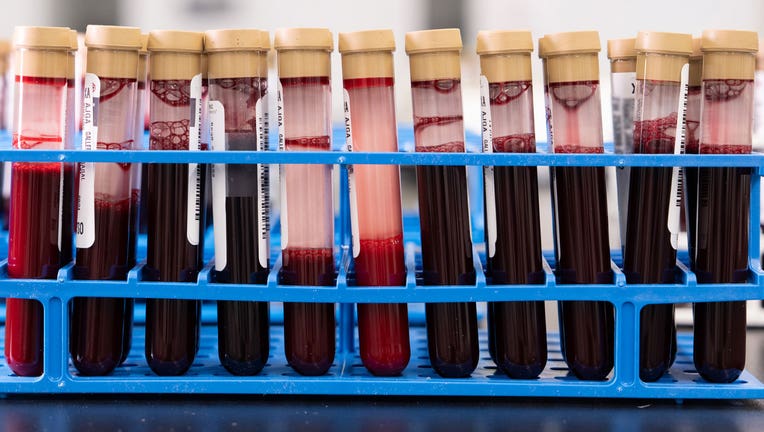
A U.S. Food and Drug Administration advisory panel has endorsed Grail's Galleri blood test, which is designed to detect signs of more than 50 types of cancer before symptoms appear.(GRAIL)
The U.S. Food and Drug Administration (FDA) endorsed a blood test designed to spot early signs of dozens of cancers despite concerns about how definitive the test’s results may be, the Associated Press reported.
Grail Inc. calls its Galleri test a "multi-cancer early detection test" that screens for "many of the deadliest cancers" before symptoms appear.
What they're saying:
Grail says some of the types of cancer the Galleri test can detect do not otherwise have a recommended screening test.
"The Galleri test was developed to improve the effectiveness and efficiency of our national cancer screening program by adding multi-cancer early detection to recommended screening—helping find more cancers safely, when they may be easier and less costly to treat, and it still may be possible for a patient to receive treatment with curative intent," Grail CEO Dr. Josh Ofman said.
The test looks for a signal shared by more than 50 types of cancer, the company’s website states, including breast cancer, lung cancer, liver cancer, leukemia, pancreatic cancer, bladder and urinary cancer, bone cancer, cervical cancer, colon and rectal cancer, esophageal cancer, and prostate cancer.
"Cancers growing in the body shed DNA into the bloodstream," the drugmaker’s website states. "Although there are many types of cancer, the DNA fragments can act like a unique ‘fingerprint’ of cancer."
The Galleri test screens for those signs and Grail says it can detect them before a patient begins experiencing symptoms.
Dig deeper:
Grail says test results typically arrive about two weeks after patients give a blood sample. The test offers two results: either "no cancer signal detected" or "cancer signal detected."
Nearly 99% of people who test will screen negative, researchers said. But if a cancer signal is found, results can predict the tissue type or organ associated with the signal.
"This vital information can help guide your healthcare provider with the next steps," the site states.
The backstory:
People in the U.S. can already buy the Galleri test, typically at a cost of $700 or more. The FDA’s approval is expected to widen availability by opening the door to Medicare and private insurers covering at least some portion of the test's cost.
The FDA advisory panel voted 7-2 with one absention that the test offers more potential benefits than risks, unanimously in support of its safety and six to four in support of its effectiveness.
"Perhaps my yes is a hopeful rather than an accurate one," Dr. Victor van Berkel of UofL Physicians in Louisville, Kentucky, said, describing how more research is needed even if the test is rolled out. "If we can find more early-stage cancers in the population that we can’t screen for currently, that will end up having benefit."
The vote followed two earlier votes in which the experts affirmed that the test appears safe and effective for use by people age 50 and older, the AP reported.
The test is designed to be used in addition to, not a replacement for, regularly recommended screening guidelines.
What You Should Know:
One concern is that the test could miss a significant number of real cancers while also flagging a potential cancer in patients who are healthy, the AP reported, adding that the test was less accurate at detecting early-stage cancers when treatment is easier and more likely to help patients.
But representatives of Grail, like Dr. Mylynda Massart of the University of Pittsburg, who presented for Grail, argued the test is still a leap forward because of the number of cancers it can detect signs of.
"Patients want opportunity, they want options," she said. "They want the chance to fight their disease while the chance to survive is still possible."
Why you should care:
Grail’s primary study on 140,000 older adults showed that its test detected about one third of cancers diagnosed over a one-year period, the AP reported.
The company’s website states that in a clinical study, around six out of 10 people whose test detected a cancer signal were diagnosed with cancer after diagnostic testing.
Some consumer advocates expressed concern that patients might ignore early signs of cancer if they were to receive an all-clear from the test.
Grail’s website acknowledges that both false positives, detection of a cancer signal when no cancer is present; and false negatives, failure to detect a cancer signal when cancer is present, are possible.
A result of no cancer signal detected, the website states, "does not completely rule out the possibility of cancer." Some cancers "shed little or no DNA into the bloodstream, making them unlikely to be detected through a blood test."
The Source: Information in this story came from the Associated Press, Grail and the Galleri website. This story was reported from Orlando.