

5 accused in alleged drone and sniper plot targeting White House UFC event
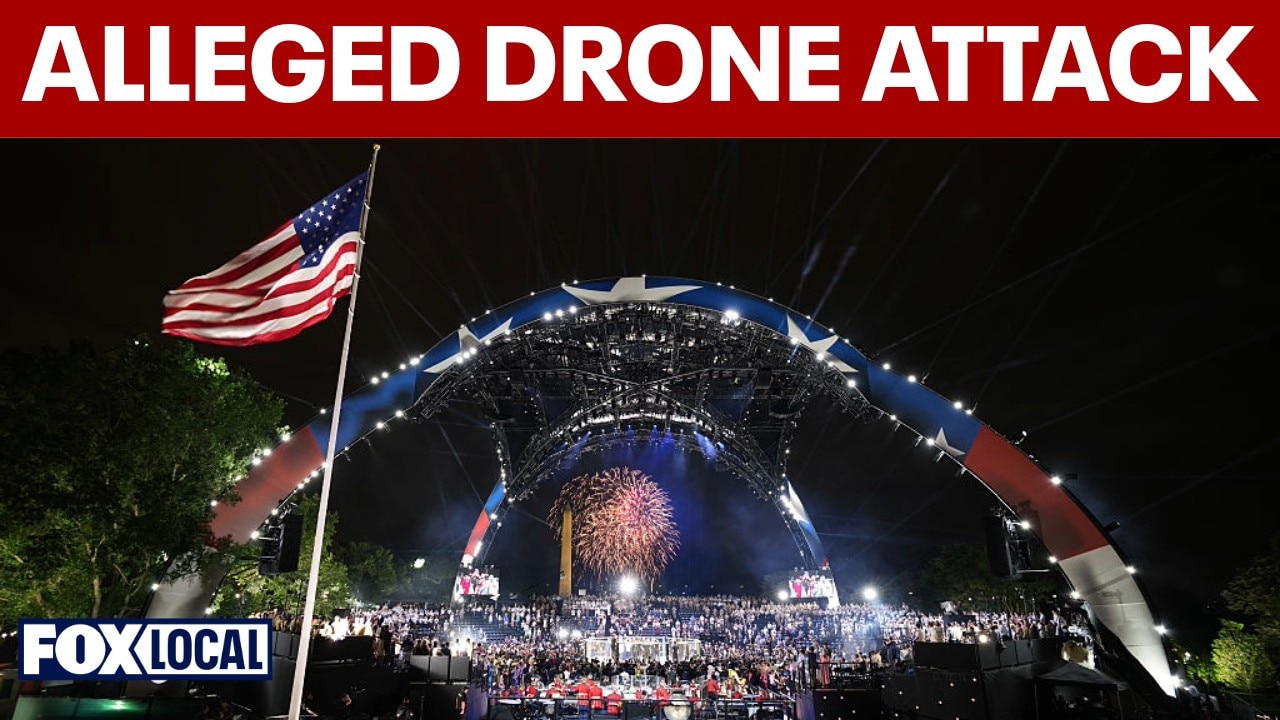
At least 3 suspects ID’d in alleged drone attack plot to attack UFC event at White House: FOX News
An alleged plot targeting this weekend’s UFC Freedom 250 event in Washington, D.C., was disrupted by the FBI and its law enforcement partners, officials told Fox News Digital.
WASHINGTON - A sprawling, multi-state FBI operation has dismantled a highly coordinated domestic terrorism network plotting a mass-casualty assault at the White House, according to the U.S. Department of Justice (DOJ).
The targets were federal lawmakers and thousands of spectators attending the historic "UFC Freedom 250" fight on the South Lawn, per a press release. The five primary suspects, all American citizens, were intercepted during a series of high-risk weekend raids across four states.
Federal investigators said Wednesday that a deep digital analysis of the network's communications points to a much broader conspiracy. Forensic teams uncovered encrypted group chats containing at least 23 active participants who were actively mapping out pre-operational logistics.
The five captured men now face several federal charges, the DOJ said, including conspiracy to commit murder, which carries a maximum penalty of life in prison.
The alleged ring-leader and tactical blueprint
What we know:
At the center of the operational planning was 31-year-old Abraham Hermosillo Alvarez of Omaha, Nebraska, according to federal prosecutors.
Operating under the encrypted handle "Shepherd," Alvarez was identified by the FBI as the cell's primary coordinator, responsible for directing the logistics of the intended massacre.
Investigators state that Alvarez authored tactical blueprints, marking specific "purple dots" on digital maps to designate sniper coordinates and drone launch sectors around Washington, D.C.
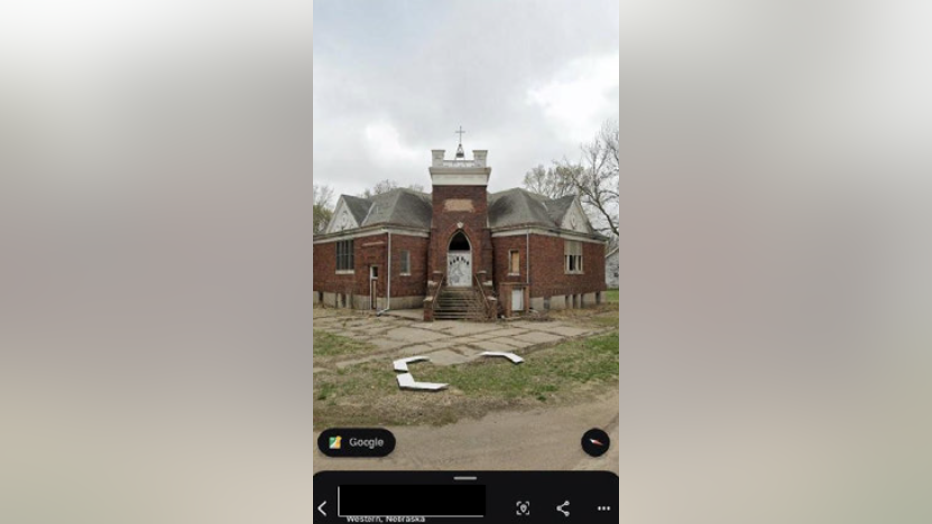
Screenshot of a church, allegedly sent by Alvarez, "Shepherd," to an encrypted chat group, according to the complaint filed in the District of Nebraska. (Photo courtesy of the U.S. Department of Justice)
Alvarez claimed to have built one functional drone and was actively assembling more explosive payloads. He also established a post-attack fallback zone at an old church in Nebraska, instructing teams to escape the capital via river routes, per the DOJ.
How the alleged conspiracy unraveled
Federal prosecutors allege that the conspiracy first began to unravel on June 11, when investigators interviewed 19-year-old Tycen C. Proper at an Ohio medical facility. According to court documents, Proper told authorities that the network began organizing around March before migrating to an encrypted messaging platform to finalize their strategy.
The government claims that Proper had actively amassed an arsenal of firearms, tactical gear and thousands of rounds of ammunition at his home in Danville, Ohio. He also allegedly identified multiple members of Congress as high-value targets and tracked their expected movements ahead of the event.
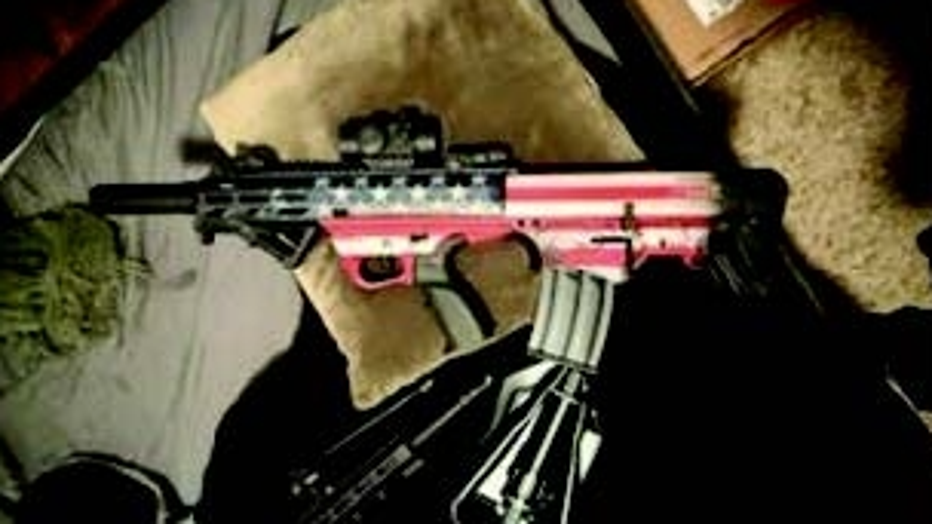
A photo of a firearm recovered from Proper’s residence, according to the complaint filed in the Central District of California. (Photo courtesy of the U.S. Department of Justice)
In Kidder, Missouri, the FBI arrested 32-year-old Daniel K. Eskridge after identifying his digital footprint on Proper’s phone. Prosecutors allege that Eskridge pushed the network to organize into a rigid paramilitary layout, calling for "five teams of three" consisting of a sniper, a support lookout and a drone pilot.
According to the criminal complaint, Eskridge distributed photographs of his own heavy combat equipment, including a ballistic vest, helmet and rifle. Investigators say he specifically advocated for targeting prominent business executives and U.S. senators based on the group's shared rage over foreign political lobbying.
Financing and tactical coordination
Dig deeper:
The financial and operational architecture of the plot was spearheaded by 32-year-old Michael Alan Thomas of Pinon Hills, California, according to investigators. Thomas allegedly coordinated a quick fundraising effort, demanding that members pool together exactly $1,300 in currency to swiftly buy commercial drones and components needed to build deadly explosives.
Utilizing a pseudonym, Thomas formulated a rigid four-tier hierarchy for the group, categorizing participants from ground shooters down to social media influencers, per prosecutors. He also allegedly coordinated in-person, "guerrilla-style" marksman training in Southern California with another cell member.
That local counterpart was 24-year-old Bryan Omar Roa of Calimesa, California. Roa was taken into custody after law enforcement executed a search warrant on his residence and vehicle, seizing a rifle, handgun, tactical belt, ammunition, a two-way radio and an infrared laser target pointer.
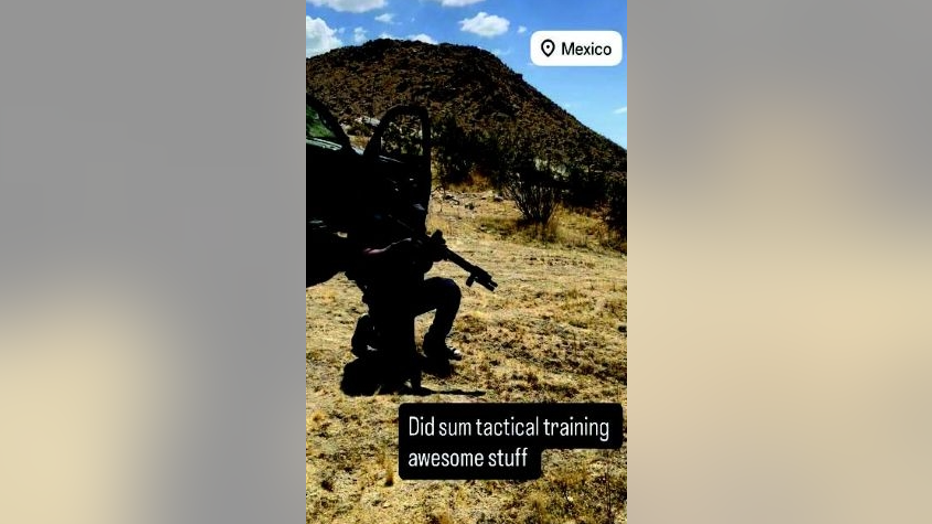
An Instagram post showing Roa shooting firearms, as detailed in the complaint filed in the Central District of California. (Photo courtesy of the U.S. Department of Justice)
Investigators uncovered incriminating messages on Roa's phone discussing the Pennsylvania Avenue attack strategy, alongside public Instagram videos Roa had posted of himself practicing tactical shooting drills.
The alleged phased assault plan
According to federal prosecutors, the group's timeline aimed to bypass intense White House security with an alleged phased aerial and ground assault.
The government claims that phase one involved flying small, explosive-laden drones directly over the northern side of the makeshift UFC arena on the White House grounds.
Prosecutors allege these intentional detonations were designed to spark immediate chaos and force an emergency evacuation of the roughly 4,300 attendees—which included an estimated 1,200 active-duty service members alongside prominent lawmakers.
Court documents state that phase two would begin as the panicked crowd fled the arena toward Pennsylvania Avenue, where hidden snipers were allegedly ordered to open fire on the escaping high-value targets.
Furthermore, intelligence reports cited by prosecutors indicate that a subsequent stage of the operation involved an alleged plan for a ground force to attempt to storm the perimeter gates of the executive mansion.
What's next:
While federal officials state the immediate threat to the capital has been neutralized by the weekend arrests, the FBI’s forensic teams are actively working to identify and track down the remaining individuals hidden within the encrypted chat logs.
The Source: Information from the U.S. Department of Justice.