

House narrowly passes $1.15 trillion defense bill: What to know
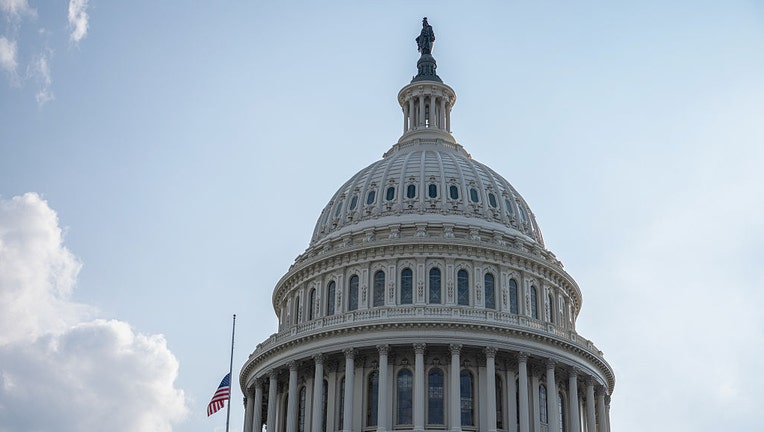
The US Capitol in Washington, DC, US, on Wednesday, July 22, 2026. Photographer: Aaron Schwartz/Bloomberg via Getty Images
WASHINGTON - The U.S. House of Representatives narrowly approved its version of a sweeping defense policy bill on Wednesday, overcoming Democratic opposition centered on the measure's record price tag, the ongoing war with Iran and a provision expanding Pentagon cooperation with Israel.
The fiscal 2027 National Defense Authorization Act (NDAA), which authorizes a record $1.15 trillion in military spending, passed the House in a 216-212 vote.
What they're saying:
Republicans defended the spending package, saying the more than $1 trillion authorization is needed to sustain military operations in Iran, finance new defense systems and equipment, and provide benefits for service members, including pay raises of up to 7% and funding for barracks and family housing.
RELATED: Remembering the 18 US service members who have been killed since start of war in Iran
The measure cleared the chamber largely along party lines. Seven Republicans joined Democrats in opposing the bill, while six Democrats broke with their party to support it.

President Trump takes family of fallen soldier to Georgia on Air Force One
President Donald Trump traveled to Dover Air Force Base on Wednesday morning to attend the dignified transfer of four U.S. service members who recently lost their lives in the Middle East. After the event, Trump was scheduled to depart for Georgia, and when he found out that the family of one of the service members killed was headed there too, the president offered one more gesture to them to show the nation’s appreciation.
The other side:
Democrats argued the legislation authorizes too much Pentagon spending at a time when President Donald Trump and congressional Republicans are cutting funding for social programs.
Lawmakers also criticized continued funding tied to the war with Iran, which the Pentagon has said has cost the United States $37.5 billion so far.
Another provision drawing Democratic criticism would significantly expand military technology cooperation between the United States and Israel, despite growing calls from many Americans — particularly on the political left — to reduce U.S. support for Israel over concerns about the impact of its military campaign in Gaza on Palestinian civilians.
RELATED: President Trump attends dignified transfer for four US Army soldiers killed in the Middle East
The backstory:
Long considered "must-pass legislation," the NDAA has been enacted every year for the past 65 years, making it one of the few major bills that routinely clears Congress.

Trump attends dignified transfer for fallen soldiers
President Donald Trump and Secretary Pete Hegseth attend a dignified transfer for US service members killed in the Middle East at the Dover Air Force Base.
What's next:
This year's measure faces steeper hurdles because of sharp partisan disagreements over the size of the military budget, the war with Iran, aid to Israel and Ukraine, and "culture war" issues, including policies affecting transgender service members.
The bill's path also became more complicated after House Republicans attached it to the Trump-backed "SAVE America Act," which would tighten voting restrictions, before sending it to the Senate. It remains unclear how that move will affect the defense bill's prospects because the voting legislation lacks enough support to pass the Senate.
Senate Democrats blocked that chamber's version of the NDAA last week, though Republican leaders have pledged to try again before lawmakers leave Washington for the August recess.
The NDAA process is still in its early stages.
Each year, the House and Senate approve separate versions of the defense authorization bill before negotiators from the Armed Services committees reconcile the differences into a compromise measure that must pass both chambers.
If approved by both the House and Senate, the final bill would be sent to the White House, where Trump could sign it into law or veto it.
The Source: Reuters contributed to this report. The information in this story came from Reuters' reporting on the House vote, along with statements and legislative details from members of Congress and the U.S. House of Representatives. This story was reported from Los Angeles.